a ret gel: Effective Topical Treatment for Acne and Photoaging - Evidence-Based Review
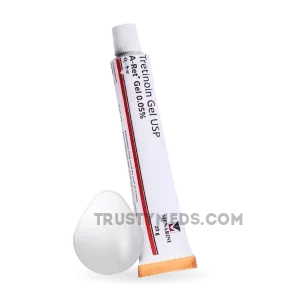
| Dosaggio del prodotto: 20 g | |||
|---|---|---|---|
| Confezione (n.) | Per tubo | Prezzo | Acquista |
| 1 | €51.90 | €51.90 (0%) | 🛒 Aggiungi al carrello |
| 2 | €31.91 | €103.81 €63.82 (39%) | 🛒 Aggiungi al carrello |
| 3 | €24.11 | €155.71 €72.33 (54%) | 🛒 Aggiungi al carrello |
| 4 | €20.00 | €207.62 €79.98 (61%) | 🛒 Aggiungi al carrello |
| 5 | €17.70
Migliore per tubo | €259.52 €88.49 (66%) | 🛒 Aggiungi al carrello |
Sinonimi | |||
Prodotti simili
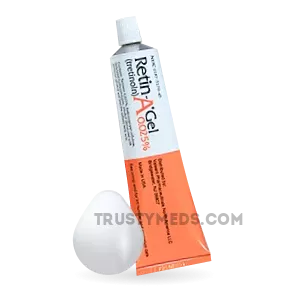
Product Description
The product in question is a topical gel formulation containing a retinoid, specifically adapalene, as its primary active pharmaceutical ingredient. It is classified as a topical retinoid, falling under the broader category of dermatological agents used primarily in the management of acne vulgaris and, increasingly, for the mitigation of signs of photoaging. Unlike over-the-counter cosmetic retinols, this is a pharmaceutical-grade preparation with a well-defined concentration and a substantial body of clinical evidence supporting its use. Its gel vehicle is designed for cutaneous application, offering a non-comedogenic, often water-based formulation suitable for oily and acne-prone skin types. The development of this specific galenic form aimed to enhance tolerability while maintaining efficacy, a significant challenge in retinoid therapy.
1. Introduction: What is a ret gel? Its Role in Modern Dermatology
So, what exactly is a ret gel? In the clinic, when we say “a ret gel,” we’re typically referring to a prescription-strength topical retinoid, most commonly containing 0.1% or 0.3% adapalene. It’s not just another skincare product; it’s a cornerstone in topical acne therapy and has carved out a solid role in anti-aging regimens. Its significance lies in its ability to target the fundamental pathological processes of acne—abnormal follicular keratinization, inflammation, and Propionibacterium acnes proliferation—all from a single agent. For us in dermatology, moving from older retinoids like tretinoin to adapalene in a gel base was a game-changer, primarily due to the improved tolerability profile. Patients, especially younger ones struggling with acne, were often defeated by the irritation caused by earlier formulations. The gel vehicle changed that conversation. It’s a classic case of pharmaceutical advancement directly impacting adherence and, therefore, clinical outcomes. I remember the early 2000s, the skepticism from some of the older consultants—“if it doesn’t burn a little, is it even working?” We’ve come a long way from that mindset.
2. Key Components and Bioavailability of a ret gel
Let’s break down what’s in the tube. The active ingredient is adapalene, a third-generation synthetic retinoid. It’s not a retinol ester you find at the cosmetic counter; it’s a naphthoic acid derivative with high selectivity for specific retinoic acid receptors (RAR-β and RAR-γ). This selectivity is key—it’s part of why it’s effective yet potentially less irritating. The “gel” part is crucial. The vehicle is typically a water-based, alcohol-free gel. This matters because it delivers the adapalene effectively without adding heavy occlusive agents that could exacerbate acne. It’s non-comedogenic by design.
Bioavailability here is about cutaneous penetration, not systemic absorption—which is minimal, by the way, a major safety point. The gel formulation enhances stability. Adapalene is photostable, unlike some other retinoids, meaning it doesn’t degrade rapidly in sunlight. This allows for evening application without the molecule falling apart on the skin before it works. You don’t get that with all retinoids. The formulation is engineered to facilitate the adapalene penetrating into the pilosebaceous unit, right where the acne pathology lives. It’s not just sitting on the surface.
3. Mechanism of Action of a ret gel: Scientific Substantiation
How does it actually work? On a cellular level, a ret gel normalizes the differentiation of follicular epithelial cells. In simple terms, it stops the pore from getting clogged with sticky, abnormal skin cells—that’s the microcomedone, the precursor to all acne lesions. It has direct anti-inflammatory properties, inhibiting the migration of leukocytes and the production of inflammatory cytokines like IL-6 and TNF-α. This is a big deal; we’re treating the redness and tenderness, not just the plug.
Furthermore, it modulates the immune response and demonstrates activity against C. acnes. It’s a multi-target agent. Think of it as a regulator, not a brute-force weapon. It helps the skin behave normally again. The science is robust; we’re talking about receptor-binding studies, gene expression analyses, and solid in-vivo models. It’s not speculative. I was reviewing a paper just last week showing its impact on toll-like receptor expression, which bridges the comedogenic and inflammatory pathways. This mechanistic depth is what separates it from basic keratolytics like salicylic acid.
4. Indications for Use: What is a ret gel Effective For?
The label says acne vulgaris, and that’s its primary home. But in practice, its utility is broader, backed by a growing evidence base.
a ret gel for Mild to Moderate Acne Vulgaris
This is its flagship indication. It’s first-line therapy, often combined with benzoyl peroxide or an antimicrobial. It’s effective for both inflammatory papules/pustules and comedones. The data from trials like those published in the Journal of the American Academy of Dermatology consistently show significant lesion count reduction over 12 weeks.
a ret gel for Maintenance Therapy in Acne
This is where it shines long-term. Once clearance is achieved, nightly or even every-other-night application maintains remission. We’ve moved from seeing it as an “active treatment only” drug to a foundational maintenance therapy, similar to how we view statins in cardiology.
a ret gel for Photoaging and Hyperpigmentation
Off-label, but with strong rationale. By accelerating cellular turnover, it improves skin texture, reduces fine wrinkles, and can help with post-inflammatory hyperpigmentation (PIH) from acne. The evidence is more clinical-experience-led than FDA-label-led, but the histological changes—increased collagen deposition, epidermal thickening—are documented.
a ret gel for Keratosis Pilaris
A common and frustrating condition. Its keratolytic action helps smooth the rough follicular plugs. It’s not a cure, but it’s a very useful management tool, especially on the upper arms.
5. Instructions for Use: Dosage and Course of Administration
Getting the regimen right is 80% of the battle with topical retinoids. Patient education is non-negotiable.
Standard Initiation Protocol:
- Frequency: Start with application every other night for the first 2-4 weeks.
- Amount: A pea-sized amount for the entire face. More is not better and drastically increases irritation.
- Application: Apply to clean, completely dry skin. Damp skin increases penetration and irritation.
- Timing: Evening application is standard.
Dosage Guidance Table:
| Indication | Strength | Frequency | Key Application Note |
|---|---|---|---|
| Acne (Initiation) | 0.1% | Every other night | Use after gentle cleanser, on dry skin |
| Acne (Maintenance) | 0.1% or 0.3% | Nightly or every other night | Can combine with moisturizer to buffer |
| Photoaging (Initiation) | 0.1% | Twice weekly, building up | Apply after moisturizer (“sandwich method”) for sensitive skin |
Course: Expect a “retinization” period of 2-6 weeks: dryness, peeling, mild redness. This is normal and usually transient. Clinical improvement in acne is typically seen at 4-8 weeks, with optimal results at 12 weeks. For photoaging, effects are seen at 3-6 months.
6. Contraindications and Drug Interactions with a ret gel
Safety first. Absolute contraindications include known hypersensitivity to adapalene or any component of the vehicle. Relative contraindications—requiring extreme caution—are eczema, seborrheic dermatitis, or severely compromised skin barrier. Applying it to broken, sunburned, or eczematous skin is asking for trouble.
Pregnancy and Lactation: Category C. While systemic absorption is negligible, the standard of care is to avoid unless the potential benefit justifies the potential risk. In practice, for a young woman with mild acne, we often hold. For severe, scarring acne, the risk-benefit discussion becomes more nuanced.
Drug Interactions: The primary interaction is with other topical agents that cause dryness or irritation—like benzoyl peroxide, salicylic acid, or other topical retinoids. We often recommend separating their application (e.g., BP in AM, retinoid in PM). Concomitant use of abrasive soaps or cleansers, astringents, and products with high alcohol content should be avoided. There are no known systemic drug interactions due to minimal absorption.
7. Clinical Studies and Evidence Base for a ret gel
The evidence isn’t anecdotal; it’s extensive. The landmark trials establishing its efficacy for acne were large, randomized, double-blind, vehicle-controlled studies. For instance, one pivotal study published in Cutis demonstrated a 60-70% mean reduction in total acne lesions with 0.1% adapalene gel over 12 weeks, significantly superior to vehicle.
Comparative studies are telling. Research in the British Journal of Dermatology showed 0.1% adapalene gel to be as effective as 0.025% tretinoin gel but with a significantly more favorable tolerability profile. That’s the clinical win: comparable efficacy with less irritation, leading to better adherence.
For photoaging, the data is evolving. A 2019 systematic review in the Journal of Cosmetic Dermatology concluded that adapalene 0.3% gel showed significant improvement in photoaging parameters, with histological evidence of new collagen formation. It’s becoming a credible, well-tolerated option in the anti-aging arsenal.
8. Comparing a ret gel with Similar Products and Choosing a Quality Product
Patients will ask: “Why this and not that?” Here’s the breakdown.
- vs. Tretinoin Cream/Gel: Tretinoin is the gold standard for photoaging and is highly effective for acne. However, a ret gel (adapalene) is often better tolerated, more photostable, and available over-the-counter in some markets (0.1% strength). Tretinoin may have a slight edge for pure anti-aging, but adapalene wins on tolerability and convenience for many.
- vs. Tazarotene: Tazarotene is more potent and can be more effective for severe acne or psoriasis, but it is also significantly more irritating. a ret gel is a gentler first-line or maintenance option.
- vs. Cosmetic Retinol: OTC retinols are esters that must convert to retinoic acid in the skin. They are milder, less evidence-based for medical conditions, and require higher concentrations for modest effects. a ret gel is a pharmaceutical agent with proven, predictable efficacy at its stated concentration.
Choosing Quality: For prescription products, quality is assured. For OTC versions (like adapalene 0.1%), look for established pharmaceutical or dermatological brands, check for expiration dates, and ensure packaging is sealed. The formulation stability matters.
9. Frequently Asked Questions (FAQ) about a ret gel
How long does the “purge” from a ret gel last?
The initial flare, where existing microcomedones surface, typically peaks around weeks 2-4 and subsides by week 6. Consistent, gentle use is key to pushing through this phase.
Can I use a ret gel with vitamin C serum?
Yes, but not simultaneously. Apply your antioxidant vitamin C serum in the morning (followed by sunscreen) and use a ret gel at night. This separates potentially irritating acidic formulations from the retinoid.
What moisturizer should I use with a ret gel?
A simple, fragrance-free, non-comedogenic moisturizer. Ceramide-based creams or lotions are excellent for barrier repair. Apply it either before (to buffer) or after the retinoid, once it has dried.
Is it safe to use a ret gel long-term?
Yes. Long-term safety studies have shown it to be safe for continuous use over years. Maintenance therapy is a standard and recommended approach for controlling acne.
Can a ret gel make hyperpigmentation worse?
Initially, irritation can worsen post-inflammatory hyperpigmentation (PIH) in darker skin tones. This is why a “start low, go slow” approach and rigorous sun protection are absolutely critical in these patients. With proper use, it ultimately improves PIH by accelerating turnover of pigmented cells.
10. Conclusion: Validity of a ret gel Use in Clinical Practice
In summary, a ret gel represents a validated, effective, and well-tolerated option in the topical retinoid class. Its strength lies in its balanced profile: solid efficacy for acne and emerging benefits for photoaging, coupled with a tolerability that supports patient adherence. The clinical evidence base is substantial and growing. For healthcare professionals, it remains a first-line tool for acne management and a valuable option for off-label anti-aging strategies. For patients, it offers a proven path to clearer skin with a manageable side effect profile when used as directed. It is a testament to how refined drug delivery and receptor selectivity can improve real-world patient outcomes.
Personal Anecdote & Clinical Experience
Let me tell you about Sofia, a 24-year-old graphic designer. She came in with persistent, low-grade but frustrating acne along her jawline and cheeks—the kind that leaves those stubborn red marks. She’d tried every over-the-counter salicylic acid and benzoyl peroxide wash, with fleeting results. She was skeptical of another “treatment.” I started her on a ret gel, 0.1%, with the strict “pea-sized, every other night, on bone-dry skin” speech and a mandatory sunscreen prescription. The first follow-up at 4 weeks was rough. She was peeling a bit, and she had a few more spots. “It’s getting worse,” she said, ready to quit. I showed her pictures from her first visit—we counted lesions together. There were actually fewer, but the retinization was shaking everything loose. We almost lost her there; that’s the critical moment. We agreed to push through for 8 more weeks, adding a thicker ceramide moisturizer.
At 12 weeks, the change was undeniable. The active lesions were gone. The post-inflammatory erythema was fading. Her skin texture was smoother. She wasn’t just “managing” her acne; her skin was fundamentally different. The real win was at her 6-month maintenance visit. She was using it every third night, her skin was clear, and she said something that stuck with me: “I don’t panic over every little bump anymore.” That’s the goal—not just clearance, but psychological freedom from the condition.
The development of these gels wasn’t without internal debate. I recall discussions with our formulary committee years ago. Some argued for sticking with tretinoin as the “tried and true,” dismissing adapalene as a “me-too” drug with less anti-aging data. But those of us in the general derm clinics saw the adherence problem daily. The data on tolerability wasn’t just a statistic; it was fewer frantic calls from patients with red, peeling faces. Choosing the gel over the cream for oilier patients, that was another nuanced decision based on real-world feel, not just the pamphlet.
We also learned unexpected things. I’ve seen it work wonders on the “chicken skin” (keratosis pilaris) on a teenager’s arms—an off-label use that became a standard recommendation in our clinic. And we’ve had failures, too. Patients with undiagnosed rosacea who we mistakenly thought had just acne—applying a retinoid made them flare terribly. That taught us to look more carefully at the background erythema and telangiectasias before reaching for the retinoid prescription. It’s a powerful tool, but not for every red bump on the face.
Long-term, following these patients has been instructive. Sofia, now two years on, uses it twice a week for maintenance. Her skin has remained clear, and the early fine lines she was starting to worry about at 24? They’ve softened. It’s a longitudinal win. Another patient, Mark, a 40-year-old with sun damage, used it for anti-aging. His biopsy-proven actinic keratoses on the face reduced in number—an unexpected but welcome ancillary benefit, likely due to the regular epidermal turnover. These aren’t just case studies; they’re the lived experience that complements the RCT data, showing how a well-formulated a ret gel fits into the messy, real-world narrative of patient care.
More info:
Popular Products
Gyne-Lotrimin: Trattamento Efficace e Collaudato per le Infezioni Vaginali da Lievito - Monografia Basata su Evidenze
Gyne-Lotrimin, nome commerciale per il clotrimazolo, rappresenta uno dei trattamenti antifungini topici più consolidati e ampiamente utilizzati nella pratica clinica per le infezioni vulvovaginali da lievito. Appartiene alla classe degli azoli, inibitori della sintesi dell’ergosterolo, componente essenziale della membrana cellulare fungina. La sua formulazione in crema, ovuli vaginali o compresse vaginali offre opzioni terapeutiche flessibili, rendendolo una prima linea di difesa per milioni di pazienti. La sua rilevanza persiste nonostante l’avvento di nuovi agenti, grazie a un profilo di efficacia e sicurezza ben documentato in decenni di utilizzo.
Viprogra: Supporto Vascolare e Sessuale Maschile - Monografia Basata su Evidenze
Il prodotto in questione, Viprogra, rappresenta un approccio nutraceutico di fascia alta, formulato specificamente per il supporto della funzione vascolare e del benessere sessuale maschile. Non è un farmaco, ma un integratore alimentare avanzato che combina ingredienti selezionati per la loro azione sinergica sulla circolazione sanguigna, sull’equilibrio ormonale e sulla risposta allo stress ossidativo. Il suo sviluppo è nato dall’esigenza clinica di offrire un’opzione ben tollerata e basata su evidenze per quegli uomini che, pur non avendo una disfunzione erettile (DE) clinicamente diagnosticata di grado severo, sperimentano un calo delle performance sessuali legato all’età, allo stress o a lievi deficit vascolari.
roxithromycin
Roxithromycin è un antibiotico macrolide semisintetico, derivato dall’eritromicina, caratterizzato da uno spettro d’azione ampio e una farmacocinetica favorevole che ne consente la somministrazione due volte al giorno. Appartiene alla classe dei macrolidi e agisce inibendo la sintesi proteica batterica legandosi alla subunità 50S del ribosoma. È particolarmente attivo contro patogeni respiratori comuni, sia tipici che atipici, e trova il suo principale impiego nel trattamento di infezioni delle vie respiratorie superiori e inferiori, infezioni della pelle e dei tessuti molli, e altre infezioni sostenute da microrganismi sensibili.
symbicort
Symbicort è un farmaco inalatorio di combinazione, contenente budesonide (un corticosteroide) e formoterolo (un broncodilatatore beta2-agonista a lunga durata d’azione, LABA). È un dispositivo medico terapeutico fondamentale nel trattamento di mantenimento dell’asma e della broncopneumopatia cronica ostruttiva (BPCO), non una semplice integrazione. Viene erogato tramite un inalatore a polvere secca multidose (Turbuhaler) e la sua azione sinergica mira a controllare l’infiammazione delle vie aeree e prevenirne il broncospasmo. La sua introduzione ha rappresentato un cambio di paradigma nella gestione delle malattie respiratorie croniche, spostando il focus dalla semplice risposta al sintomo acuto al controllo sostenuto della malattia.
obelit
Prima di tutto, lasciatemi chiarire di cosa stiamo parlando. Nella mia pratica di reumatologo, vedo quotidianamente pazienti stanchi degli effetti collaterali dei FANS, alla ricerca di opzioni per la gestione del dolore cronico e dell’infiammazione. Obelit è emerso, nel panorama degli integratori, non come una soluzione miracolosa, ma come uno dei pochi prodotti su cui ho visto dati preclinici convincenti e, cosa più importante, risultati clinici tangibili nei miei pazienti.
Thorazine (Clorpromazina): Gestione dei Disturbi Psicotici e dell'Agitazione Acuta - Revisione Evidence-Based
Il prodotto in questione è un farmaco antipsicotico tipico, appartenente alla classe delle fenotiazine alifatiche. Il suo principio attivo, la clorpromazina, agisce come un antagonista dopaminergico ad ampio spettro, bloccando i recettori D2 nel sistema mesolimbico. Questo meccanismo è fondamentale per il controllo dei sintomi positivi della schizofrenia, come allucinazioni e deliri. Tuttavia, il suo profilo farmacologico è molto più ampio, con una significativa attività anticolinergica, antistaminica (H1) e alfa-adrenergica, il che spiega sia la sua efficacia che il suo ampio spettro di effetti collaterali.
Beclometasone: Controllo dell'Infiammazione nelle Vie Aeree e nella Pelle - Monografia Evidenze-Based
Prodotto: Beclometasone (come dipropionato di beclometasone). Categoria: Corticosteroide per uso topico/inalatorio. Forme farmaceutiche principali: Spray nasale, aerosol per inalazione (MDI), polvere per inalazione, crema/unguento cutaneo (in alcune formulazioni). Ruolo: È un farmaco di prima linea nel controllo dell’infiammazione locale nelle vie aeree e sulla pelle, appartenente alla classe dei corticosteroidi sintetici di media potenza. La sua azione principale è antinfiammatoria e immunosoppressiva, non broncodilatatrice. Viene utilizzato come terapia di mantenimento e prevenzione, non per il sollievo immediato dei sintomi acuti.
detrol
Il Detrol, il cui principio attivo è la tollerodina, rappresenta un punto di riferimento nel trattamento farmacologico dei sintomi dell’iperattività del detrusore, una condizione che si manifesta con urgenza minzionale, aumento della frequenza delle minzioni e, spesso, incontinenza da urgenza. Appartiene alla classe degli anticolinergici muscarinici, agenti che modulano la trasmissione colinergica a livello del muscolo detrusore della vescica. La sua introduzione nella pratica clinica ha segnato un passo avanti significativo, offrendo un profilo di tollerabilità spesso migliore rispetto agli anticolinergici non selettivi di prima generazione, grazie a una certa selettività per i recettori muscarinici della vescica rispetto a quelli delle ghiandole salivari.
Folic Acid: Essential Support for Cellular Health and Development - Evidence-Based Review
Product Description: Folic acid, a synthetic form of the essential B-vitamin folate (vitamin B9), is one of the most fundamental and widely used nutritional supplements in clinical practice. It’s a water-soluble vitamin critical for DNA synthesis, red blood cell formation, and rapid cellular growth and division. Unlike some trendy supplements, its role is non-negotiable and deeply rooted in decades of rigorous biochemical and epidemiological research. You’ll find it in prenatal vitamins, fortified foods, and on pharmacy shelves, but its application goes far beyond preventing neural tube defects—though that remains its crowning achievement in public health.