Nitroglycerin: Rapid Relief for Angina Pectoris and Heart Failure - Evidence-Based Review
| Dosaggio del prodotto: 0.5 mg | |||
|---|---|---|---|
| Confezione (n.) | Per tappo | Prezzo | Acquista |
| 25 | €0.71 | €17.87 (0%) | 🛒 Aggiungi al carrello |
| 50 | €0.68 | €35.74 €34.04 (5%) | 🛒 Aggiungi al carrello |
| 75 | €0.67
Migliore per tappo | €53.61 €50.20 (6%) | 🛒 Aggiungi al carrello |
| Dosaggio del prodotto: 2.5mg | |||
|---|---|---|---|
| Confezione (n.) | Per tappo | Prezzo | Acquista |
| 30 | €1.96 | €58.71 (0%) | 🛒 Aggiungi al carrello |
| 60 | €1.57 | €117.43 €94.45 (20%) | 🛒 Aggiungi al carrello |
| 90 | €1.44 | €176.14 €129.34 (27%) | 🛒 Aggiungi al carrello |
| 120 | €1.38 | €234.85 €165.08 (30%) | 🛒 Aggiungi al carrello |
| 180 | €1.31 | €352.28 €235.70 (33%) | 🛒 Aggiungi al carrello |
| 270 | €1.27 | €528.41 €342.07 (35%) | 🛒 Aggiungi al carrello |
| 360 | €1.24
Migliore per tappo | €704.55 €447.58 (36%) | 🛒 Aggiungi al carrello |


Nitroglycerin, a cornerstone in cardiovascular therapy for over a century, remains one of the most rapid and effective agents for the relief of angina pectoris. Its story is fascinating—from its explosive origins in Alfred Nobel’s dynamite to its life-saving role in modern cardiology. This organic nitrate compound acts primarily as a potent vasodilator, relaxing vascular smooth muscle to reduce cardiac workload and improve blood flow to the heart muscle itself. It’s a classic example of a medication where the dose truly defines the poison, transforming a potentially dangerous compound into a therapeutic marvel. In clinical practice, we see it in various forms: sublingual tablets or sprays for immediate relief of an acute angina attack, transdermal patches or ointments for prolonged prophylaxis, and even intravenous formulations for critical hospital settings. Understanding its pharmacokinetics—rapid onset, short duration—is fundamental to using it correctly and safely.
1. Introduction: What is Nitroglycerin? Its Role in Modern Medicine
What is nitroglycerin used for? At its core, nitroglycerin (glyceryl trinitrate, GTN) is an organic nitrate prodrug. It’s classified as a vasodilator and is a first-line therapy for the immediate treatment of acute angina attacks—those episodes of chest pain or pressure caused by myocardial ischemia. Its significance cannot be overstated; for many patients with coronary artery disease, a sublingual nitroglycerin spray or tablet is a lifeline carried in their pocket. Beyond angina, its applications have expanded to include the management of acute hypertensive episodes, congestive heart failure (particularly in acute settings), and even during certain surgical procedures to control blood pressure. The medical applications of this molecule are a testament to deep pharmacological understanding, turning a simple compound into a targeted therapeutic tool.
2. Key Components and Bioavailability of Nitroglycerin
The composition of nitroglycerin itself is straightforward: it is the trinitrate ester of glycerol. However, its release form is what dictates its clinical use and bioavailability. Unlike many supplements, the active pharmaceutical ingredient is singular, but its delivery systems are varied:
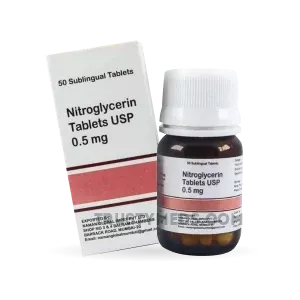
- Sublingual Tablets/Spray: Offers almost immediate absorption through the buccal mucosa, bypassing first-pass metabolism in the liver. Bioavailability is high, and effects are felt within 1-2 minutes. This is the gold standard for aborting an acute angina episode.
- Transdermal Patches/Ointments: Provide controlled, sustained release through the skin for prophylactic angina management. Dosing is precise (patch sizes in mg/hr), but the development of tolerance is a major pharmacokinetic consideration.
- Intravenous (IV) Formulation: Used in critical care for precise titration in unstable angina, hypertensive crises, or acute heart failure. Provides immediate and easily adjustable effects.
- Oral Extended-Release Capsules: Less commonly used today due to significant first-pass metabolism and the superiority of other routes for most indications.
The key isn’t an absorption enhancer like piperine, but rather the route of administration that determines its speed, duration, and therapeutic purpose.
3. Mechanism of Action of Nitroglycerin: Scientific Substantiation
So, how does nitroglycerin work? The mechanism of action is a beautiful piece of vascular biochemistry. Nitroglycerin itself is inactive. It enters vascular smooth muscle cells and undergoes enzymatic conversion, primarily by mitochondrial aldehyde dehydrogenase (mtALDH), to release nitric oxide (NO). This NO then activates the enzyme guanylyl cyclase, leading to an increase in intracellular cyclic guanosine monophosphate (cGMP). Elevated cGMP causes dephosphorylation of myosin light chains, resulting in smooth muscle relaxation. In simple terms, it tells the blood vessels to “relax and open up.”
The effects on the body are specific:
- Venodilation (Primary): Dilates veins, reducing venous return (preload) to the heart. This decreases the heart’s workload and oxygen demand—crucial for relieving angina.
- Arteriodilation (Moderate): Dilates coronary arteries and systemic arterioles, improving blood flow to the heart muscle and reducing afterload (the resistance the heart must pump against).
- Inhibition of Platelet Aggregation: The released NO also has a mild antiplatelet effect.
The caveat—and this is critical in long-term management—is the phenomenon of nitrate tolerance. With continuous exposure (like a 24-hour patch), the scientific research shows the body’s pathways become depleted, rendering the drug ineffective. This is why a daily “nitrate-free interval” of 10-12 hours is a cornerstone of prophylactic therapy.
4. Indications for Use: What is Nitroglycerin Effective For?
The indications for use of nitroglycerin are well-established in cardiovascular medicine.
Nitroglycerin for Acute Angina Pectoris
This is its primary and most classic indication. At the first sign of chest pain, the patient uses a sublingual tablet or spray. If pain is not relieved within 5 minutes, a second dose can be taken. Failure to relieve pain after three doses is a medical emergency (possible myocardial infarction) and mandates immediate emergency services.
Nitroglycerin for Chronic Angina Prophylaxis
For patients with frequent angina episodes, long-acting formulations like transdermal patches (applied daily with a nitrate-free interval) or oral nitrates are used to reduce the frequency and severity of attacks.
Nitroglycerin for Acute Heart Failure (Pulmonary Edema)
IV nitroglycerin is a powerful tool here. By reducing preload and afterload, it rapidly decreases the pressure in the lungs, relieving the severe shortness of breath associated with pulmonary edema.
Nitroglycerin for Perioperative Blood Pressure Control
Its rapid onset and short duration make it ideal for inducing controlled hypotension during surgery to minimize bleeding.
5. Instructions for Use: Dosage and Course of Administration
Clear instructions for use are vital for safety and efficacy. Dosage is highly route-dependent.
| Indication | Formulation | Typical Dosage | Administration Instructions |
|---|---|---|---|
| Acute Angina Attack | Sublingual Tablet | 0.3-0.6 mg | Place under tongue at onset of pain. Do not swallow. Repeat every 5 min if needed, max 3 doses. |
| Acute Angina Attack | Sublingual Spray | 0.4 mg per spray | Spray onto or under tongue. Do not inhale. |
| Angina Prophylaxis | Transdermal Patch | 0.2 - 0.8 mg/hr | Apply to clean, hairless skin on chest or arm. Remove after 12-14 hours to provide a nitrate-free interval. |
| Acute HF/BP Control | Intravenous Infusion | 5 - 200 mcg/min | Titrated by physician in a monitored setting based on blood pressure and symptoms. |
How to take it safely: Patients must sit down before using sublingual nitroglycerin due to the risk of sudden dizziness or fainting from low blood pressure. Tablets lose potency quickly upon exposure to air and light; they should be stored in their original dark glass container and replaced every 3-6 months once opened. The course of administration for prophylactic patches must include the daily off-period to prevent tolerance.
6. Contraindications and Drug Interactions with Nitroglycerin
Understanding contraindications and side effects is non-negotiable.
Absolute Contraindications:
- Hypersensitivity to nitrates.
- Concomitant use with phosphodiesterase-5 (PDE5) inhibitors (e.g., sildenafil, tadalafil, vardenafil). This combination can cause profound, life-threatening hypotension.
- Severe anemia, closed-angle glaucoma, or severe hypotension/shock.
Common Side Effects: These are often extensions of its pharmacological effect: headache (very common, usually transient), dizziness/lightheadedness, flushing, and reflex tachycardia.
Major Drug Interactions:
- PDE5 Inhibitors (Viagra, Cialis): As stated, this is an absolute contraindication. A minimum 24-hour separation (up to 48 hours for tadalafil) is required.
- Other Antihypertensives: Additive hypotensive effects with beta-blockers, calcium channel blockers, ACE inhibitors, and diuretics.
- Alcohol: Potentiates vasodilation and hypotension.
Special Populations: Is it safe during pregnancy? Only if the potential benefit justifies the potential risk to the fetus (Category C). It is used in medicine to relax the uterus in certain obstetric situations, but this is highly specialized.
7. Clinical Studies and Evidence Base for Nitroglycerin
The clinical studies and scientific evidence for nitroglycerin are vast and historic, though modern trials continue to refine its use. Its efficacy for acute angina relief is so well-proven it’s considered unethical to test against placebo in acute settings. Key evidence focuses on optimizing use and understanding limitations.
- GISSI-3 and ISIS-4 Trials: Large mega-trials in the thrombolytic era that studied oral nitrates in acute myocardial infarction. While they didn’t show a definitive mortality benefit on top of modern therapy, they cemented the safety profile and established practice patterns.
- Tolerance Mechanisms: Research by Munzel et al. and others has elucidated the oxidative stress and mitochondrial dysfunction underlying nitrate tolerance, directly informing the critical practice of providing a daily nitrate-free interval.
- Heart Failure Management: Numerous studies, including the VMAC trial, have demonstrated the hemodynamic benefits of IV nitroglycerin in acutely decompensated heart failure, providing rapid symptom relief.
The effectiveness for its primary indication is unquestioned. Physician reviews consistently rank sublingual nitroglycerin as an essential, life-saving medication for coronary artery disease patients.
8. Comparing Nitroglycerin with Similar Products and Choosing Quality
When patients or clinicians look for nitroglycerin similar agents or comparisons, they are usually considering other antianginal medications.
- vs. Other Nitrates (Isosorbide Mononitrate/Dinitrate): These are other organic nitrates. Isosorbide mononitrate has more predictable bioavailability orally and is often used for chronic prophylaxis. The mechanism of action is identical, but pharmacokinetics differ. Which nitroglycerin is better? For acute relief, sublingual nitroglycerin is faster. For daily prevention, a once-daily mononitrate or a patch may be more convenient.
- vs. Beta-Blockers & Calcium Channel Blockers: These are first-line for preventing angina but do nothing to abort an acute attack. They work by reducing heart rate and contractility (beta-blockers) or dilating coronary arteries (some CCBs). They are used in combination with nitrates, not as substitutes for acute therapy.
- vs. Ranolazine: A newer metabolic agent for chronic angina. It has no role in acute relief.
How to choose a quality product is straightforward for prescription medications: use the formulation (brand or generic) prescribed by the physician and dispensed by a licensed pharmacy. For sublingual tablets, patient education on proper storage is the key to maintaining potency.
9. Frequently Asked Questions (FAQ) about Nitroglycerin
What should I do if my nitroglycerin doesn’t relieve chest pain?
If pain is unrelieved or worsens after one dose, take a second dose after 5 minutes. If there is no relief after a total of three doses taken 5 minutes apart, this is a medical emergency. Call 911 immediately—you may be having a heart attack.
Can nitroglycerin be combined with blood pressure medications?
Yes, but with caution and under a doctor’s supervision. The combination can lead to additive lowering of blood pressure, causing dizziness or fainting. Your doctor will monitor you and may adjust doses.
Why do I get a severe headache when I take nitroglycerin?
The headache is caused by dilation of blood vessels in the brain and is a very common, though unpleasant, sign that the drug is active. It often diminishes with continued use. Do not stop taking your prescribed nitrates due to headache without consulting your doctor. Over-the-counter pain relievers like acetaminophen may help.
How long does a bottle of sublingual nitroglycerin tablets last?
Once the bottle is opened, the tablets lose potency due to exposure to air and light. They should be replaced every 3-6 months. The spray formulation has a much longer shelf life (typically 2-3 years) and is not as sensitive to air, making it a more reliable alternative for some patients.
10. Conclusion: Validity of Nitroglycerin Use in Clinical Practice
In conclusion, nitroglycerin maintains an irreplaceable role in clinical practice. Its risk-benefit profile is excellent when used appropriately, with clear guidelines to manage its well-known side effects and the crucial issue of tolerance. For the acute relief of angina pectoris, no other medication matches its speed and reliability. The evidence base is deep, and its mechanisms are well understood. The final, expert recommendation is this: nitroglycerin is a foundational therapy for ischemic heart disease. Patient education on its correct use—especially the “three-dose rule” for acute pain and the management of prophylactic regimens to avoid tolerance—is as important as the prescription itself.
You know, talking about the pharmacology is one thing, but you really understand nitroglycerin when you see it work—or fail—at the bedside. I remember Mr. Henderson, a 68-year-old retired engineer with stable CAD. He was meticulous, the type who logged every BP reading. He came in frustrated because his new transdermal patches “stopped working” after a week. His log showed perfect application, 0.4 mg/hr, right on the chest. We’d talked about the nitrate-free interval, but he hated the idea of being “unprotected” overnight. “What if I have an attack in my sleep?” he’d asked. It was a classic standoff between patient anxiety and pharmacokinetic reality. We switched him to isosorbide mononitrate, a single morning dose, which provided 12-hour coverage and a natural 12-hour washout. It worked, but it took showing him the data—the Munzel papers on tolerance, the graphs of cyclic GMP depletion—to get his buy-in. He needed to see the “why.”
Then there was the more harrowing case of Anna, 52, in the ED with crushing substernal pain. Her BP was sky-high, she was diaphoretic. We gave her aspirin, started heparin, and she got her sublingual nitro spray. The relief on her face after 90 seconds was palpable; her BP started to drift down. But here’s the thing the monographs don’t always capture—the smell. The distinct, slightly sweet odor of the sublingual spray that hangs in the air of a cardiac bay. It’s the smell of something happening, of a crisis potentially abating. We still took her to cath lab—her LAD was 95% blocked—but that nitroglycerin bought her the time and pain control to get there stably.
The development struggles with this drug are mostly historical, but the team disagreements today are about nuance. Our cardiology group had a long debate just last month about the pre-load vs. after-load reduction in acute heart failure. The old guard swears by the pure venodilation theory for pulmonary edema. The younger fellows, backed by newer hemodynamic studies, argue for a more balanced effect, especially in hypertensive flash pulmonary edema. It’s not a fight about if it works, but how it works best. We sometimes see unexpected findings, too—like the patient whose chronic anal fissures improved remarkably after starting angina prophylaxis with a nitrate ointment. Off-label, sure, but it makes perfect sense given the smooth muscle relaxant properties.
Long-term, the follow-up on these patients teaches you about adherence and fear. Mrs. Chen, who kept her sublingual tablets in a kitchen cupboard next to the stove (heat and humidity degrading them), or young David, who was prescribed it for esophageal spasm and used it once for the terrifying headache and never touched it again. The testimonials are often about empowerment. “It’s my safety net,” many say. That little bottle is a tangible form of control over a terrifying disease. After 25 years, I still think that’s nitroglycerin’s most profound effect: not just dilating coronary arteries, but alleviating the profound anxiety that comes with a heart condition. It turns a potential trip to the ER into something manageable, at home, in the moment. And in medicine, that kind of agency is sometimes half the battle.
More info:
Popular Products
Voveran SR: Controllo Prolungato del Dolore e dell'Infiammazione - Monografia Evidence-Based
Voveran SR è un farmaco antinfiammatorio non steroideo (FANS) a rilascio prolungato, il cui principio attivo è il diclofenac sodico. Appartiene alla classe degli inibitori non selettivi della cicloossigenasi (COX) ed è ampiamente utilizzato nella pratica clinica per il controllo del dolore e dell’infiammazione in varie condizioni croniche e subacute. La formulazione “SR” (Sustained Release) è progettata per mantenere concentrazioni plasmatiche terapeutiche per un periodo prolungato, tipicamente 12-24 ore, consentendo una somministrazione una o due volte al giorno.
effexor xr
Venlafaxina cloridrato a rilascio prolungato, commercializzata con il nome Effexor XR, è un antidepressivo appartenente alla classe degli inibitori della ricaptazione della serotonina e della noradrenalina (SNRI). È ampiamente utilizzato in psichiatria e neurologia per il trattamento di disturbi dell’umore e d’ansia, rappresentando una pietra miliare nella terapia farmacologica moderna per la sua azione duale. La sua formulazione a rilascio prolungato (XR, Extended Release) ne permette una somministrazione una volta al giorno, migliorando l’aderenza terapeutica e stabilizzando i livelli plasmatici.
tadalista professional
Prima di tutto, chiariamo di cosa stiamo parlando. Il Tadalista Professional non è un integratore alimentare. È classificato come dispositivo medico di Classe IIa, un sistema a rilascio transdermico che eroga tadalafil attraverso la pelle del pene. Questo è un punto fondamentale che lo distingue radicalmente dalle compresse orali di tadalafil (come il Cialis®) e da tutti gli integratori “naturali” per la disfunzione erettile (DE) che si trovano online. Il suo scopo è offrire un’opzione terapeutica localizzata, con un profilo di effetti sistemici potenzialmente ridotto, per uomini che cercano una soluzione per la DE.
Ranol SR: Terapia Topica Innovativa per il Dolore Neuropatico Focale - Monografia Evidenze-Based
Il prodotto in questione, Ranol SR, è un dispositivo medico di classe IIa, registrato secondo la normativa vigente, che rappresenta un approccio innovativo nella gestione del dolore neuropatico periferico focale, come quello associato alla neuropatia post-erpetica. Si tratta di un cerotto transdermico a rilascio sostenuto (SR, Sustained Release) che eroga localmente il principio attivo ranolazina. La sua peculiarità risiede nell’applicazione topica, che mira a modulare l’eccitabilità delle fibre nervose nocicettive nella zona dolorosa, bypassando gli effetti sistemici spesso limitanti delle terapie orali.
digoxin
Digoxin, un glicósido cardíaco derivado de la planta Digitalis lanata, sigue siendo un pilar en el arsenal terapéutico para ciertas afecciones cardíacas, a pesar de su antigüedad y su estrecho margen terapéutico. Su uso principal se centra en el control de la frecuencia ventricular en la fibrilación auricular y en el tratamiento de la insuficiencia cardíaca con fracción de eyección reducida, especialmente cuando los síntomas persisten a pesar del tratamiento óptimo con otros fármacos.
valparin
Valparin è il nome commerciale di un farmaco anticonvulsivante e stabilizzatore dell’umore il cui principio attivo è l’acido valproico (o valproato). Non è un integratore alimentare né un dispositivo medico, ma un farmaco da prescrizione utilizzato principalmente nel trattamento dell’epilessia e del disturbo bipolare. La sua azione si basa sulla modulazione dei livelli di acido gamma-amminobutirrico (GABA) nel cervello, un neurotrasmettitore inibitorio, e sulla bloccaggio dei canali del sodio. Data la sua natura di farmaco potente con un significativo profilo di effetti collaterali e interazioni, il suo uso è rigorosamente controllato e monitorato sotto la supervisione di un medico specialista.
benzac
Benzoyl peroxide, often encountered under the brand name Benzac in various formulations, represents a cornerstone in topical acne therapy. For decades, its presence on pharmacy shelves and in prescription pads has been near-constant, a testament to its fundamental role in managing a condition that affects millions globally. As a dermatologist, I’ve seen the landscape of acne treatment evolve with retinoids, antibiotics, and high-tech devices, yet this simple molecule remains irreplaceable in many regimens.
prograf
Prograf, con il principio attivo tacrolimus, è un farmaco immunosoppressore di fondamentale importanza nel campo dei trapianti d’organo. Appartiene alla classe degli inibitori della calcineurina e agisce sopprimendo in modo potente e selettivo l’attività del sistema immunitario, prevenendo così il rigetto dell’organo trapiantato. La sua introduzione nella pratica clinica ha rappresentato una svolta significativa, migliorando notevolmente i tassi di sopravvivenza del paziente e dell’innesto. È disponibile in formulazioni orali (capsule) e parenterali (soluzione per infusione endovenosa), e il suo utilizzo richiede un monitoraggio terapeutico di farmaco (TDM) rigoroso e continuativo a causa del suo stretto indice terapeutico e del potenziale per interazioni e effetti avversi significativi.
remeron
Prima di tutto, chiariamo di cosa stiamo parlando. Quando in clinica si nomina Remeron, ci si riferisce alla mirtazapina, un antidepressivo atipico appartenente alla classe dei NaSSA (antagonisti presinaptici alfa2-adrenergici e antagonisti della serotonina). Non è un integratore alimentare né un dispositivo medico, ma un farmaco a tutti gli effetti, soggetto a prescrizione medica. La sua particolarità, che lo ha reso uno strumento prezioso nel mio armamentario terapeutico, risiede in un profilo recettoriale che lo distingue nettamente dagli SSRI e dagli SNRI.