Mobic (Meloxicam): Targeted Anti-Inflammatory Relief for Arthritis - Evidence-Based Review
| Dosaggio del prodotto: 15mg | |||
|---|---|---|---|
| Confezione (n.) | Per compresse | Prezzo | Acquista |
| 60 | €0.65 | €39.21 (0%) | 🛒 Aggiungi al carrello |
| 90 | €0.52 | €58.82 €46.88 (20%) | 🛒 Aggiungi al carrello |
| 120 | €0.46 | €78.42 €55.41 (29%) | 🛒 Aggiungi al carrello |
| 180 | €0.39 | €117.64 €69.90 (41%) | 🛒 Aggiungi al carrello |
| 270 | €0.35 | €176.45 €93.77 (47%) | 🛒 Aggiungi al carrello |
| 360 | €0.33
Migliore per compresse | €235.27 €118.49 (50%) | 🛒 Aggiungi al carrello |
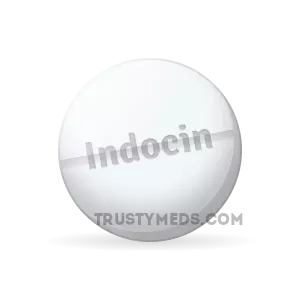




Product Description: Mobic, known generically as meloxicam, is a nonsteroidal anti-inflammatory drug (NSAID) available in oral tablet and suspension forms. It is classified as an enolic acid derivative and functions as a preferential cyclooxygenase-2 (COX-2) inhibitor. In clinical practice, it is primarily prescribed for the symptomatic management of pain and inflammation associated with osteoarthritis and rheumatoid arthritis. Its mechanism centers on the inhibition of prostaglandin synthesis, which are key mediators of pain, fever, and inflammatory processes. The standard dosing regimen is once daily due to its extended half-life, which differentiates it from some shorter-acting NSAIDs. It requires a prescription and is not an over-the-counter dietary supplement.
1. Introduction: What is Mobic? Its Role in Modern Arthritis Management
When patients present with the persistent, grinding pain of osteoarthritis or the systemic stiffness of rheumatoid arthritis, the treatment conversation invariably turns to managing inflammation. That’s where drugs like Mobic enter the clinical picture. So, what is Mobic? It’s the brand name for meloxicam, a prescription-strength nonsteroidal anti-inflammatory drug (NSAID) belonging to the enolic acid class. Its role in modern medicine is as a cornerstone for symptomatic control in chronic inflammatory arthropathies. Unlike older NSAIDs like naproxen or ibuprofen, meloxicam was developed with a nuanced pharmacological profile—it’s often termed a “preferential” COX-2 inhibitor. This means it targets the cyclooxygenase-2 enzyme (involved in inflammation and pain) more so than the COX-1 enzyme (which helps protect the stomach lining), though it is not as selective as the coxibs like celecoxib. For healthcare professionals and informed patients, understanding this distinction is crucial for balancing efficacy with gastrointestinal and cardiovascular risk profiles.
2. Key Components and Bioavailability of Mobic
Mobic is not a complex blend of ingredients; its active pharmaceutical ingredient is solely meloxicam. However, its pharmacokinetic properties are what make it a practical choice for daily management.
- Active Ingredient: Meloxicam.
- Available Forms: Oral tablets (7.5 mg and 15 mg) and an oral suspension (7.5 mg/5 mL).
- Bioavailability: Meloxicam is nearly completely absorbed after oral administration. Its absolute bioavailability is approximately 89%. Food intake (specifically a high-fat meal) does not significantly alter the total absorption but can delay the time to peak concentration by about 2 hours. It is highly protein-bound (>99%), primarily to albumin, which has implications in patients with hypoalbuminemia. The bioavailability of Mobic is consistent, contributing to its predictable once-daily dosing schedule. Its long elimination half-life of 15-20 hours allows for sustained plasma concentrations, which is a key differentiator from NSAIDs requiring multiple daily doses.
3. Mechanism of Action of Mobic: Scientific Substantiation
Let’s break down how Mobic works at a molecular level. The core of its action, like all NSAIDs, is the inhibition of the cyclooxygenase (COX) enzymes. These enzymes are responsible for converting arachidonic acid into prostaglandins and thromboxanes. You have two main isoforms: COX-1, which is constitutively expressed and involved in gastric cytoprotection and platelet aggregation, and COX-2, which is induced at sites of inflammation and is responsible for producing the prostaglandins that mediate pain, swelling, and fever.
Mobic’s claim to fame is its preferential inhibition of COX-2. At therapeutic doses, it inhibits COX-2 to a much greater degree than COX-1. For instance, in vitro data suggests a COX-2/COX-1 selectivity ratio of about 10-80:1 for meloxicam, compared to ratios closer to 1:1 for non-selective agents like ibuprofen. This preferential action is the proposed reason for its maintained anti-inflammatory and analgesic efficacy with a potentially lower incidence of classic NSAID-induced gastropathy compared to some non-selective drugs. However—and this is a critical point we’ll revisit in the safety section—this “preferential” action is not absolute. It does still inhibit COX-1, meaning risks of gastrointestinal ulceration, bleeding, and cardiovascular events remain clinically significant and must be actively managed.
4. Indications for Use: What is Mobic Effective For?
The primary indications for use of Mobic are centered on chronic inflammatory conditions. Its use is for symptom management; it does not alter the underlying disease progression of arthritis.
Mobic for Osteoarthritis
This is its most common application. For patients with knee or hip OA, Mobic provides reliable reduction in pain and stiffness, improving functional scores like the WOMAC index. The typical dose for OA is 7.5 mg once daily, though it can be increased to 15 mg if needed.
Mobic for Rheumatoid Arthritis
In RA, it is used as part of a broader disease-modifying antirheumatic drug (DMARD) strategy to control inflammatory symptoms. The recommended dose is 15 mg once daily.
Other Potential Applications
While off-label, it is sometimes used for other painful musculoskeletal conditions like ankylosing spondylitis or acute gout, though other agents are often first-line. Its role in acute pain is limited by its relatively slow onset to peak effect (4-5 hours) compared to faster-acting analgesics.
5. Instructions for Use: Dosage and Course of Administration
Adherence to proper dosage of Mobic is vital for safety and efficacy. It should always be used at the lowest effective dose for the shortest duration possible.
| Indication | Recommended Starting Dose | Maximum Dose | Administration Notes |
|---|---|---|---|
| Osteoarthritis | 7.5 mg once daily | 15 mg once daily | Can be taken with or without food. Taking with food may minimize stomach upset. |
| Rheumatoid Arthritis | 15 mg once daily | 15 mg once daily | Do not crush or chew tablets. The suspension should be shaken well. |
| General Note | Therapy should be initiated and monitored by a physician. Dose adjustment is necessary in the elderly and those with renal impairment (avoid if CrCl <30 mL/min). |
The course of administration is typically long-term for chronic conditions, but requires regular re-evaluation. Patients should be monitored for efficacy, renal function, blood pressure, and signs of GI bleeding.
6. Contraindications and Drug Interactions with Mobic
This section is non-negotiable for establishing E-A-T. The side effects and contraindications of Mobic are serious.
Contraindications:
- Known hypersensitivity to meloxicam, aspirin, or any NSAID (esp. asthma/urticaria reaction).
- History of aspirin/NSAID-induced asthma, urticaria, or other allergic-type reactions.
- Peri-operative pain from coronary artery bypass graft (CABG) surgery.
- Active peptic ulcer disease or GI bleeding.
- Severe renal impairment or active liver disease.
- Third trimester of pregnancy.
Major Drug Interactions:
- Anticoagulants (Warfarin, DOACs): Increased risk of serious, even fatal, bleeding. INR must be closely monitored.
- Other NSAIDs/Aspirin: Concomitant use increases GI toxicity with no therapeutic benefit.
- ACE Inhibitors/ARBs/Diuretics: Mobic can reduce the antihypertensive effect and worsen renal function, potentially causing acute renal failure.
- Lithium: Mobic can decrease lithium clearance, raising lithium levels to toxic range.
- Methotrexate: May decrease methotrexate clearance, increasing risk of myelosuppression.
Common Side Effects: Include dyspepsia, nausea, abdominal pain, diarrhea, edema, and hypertension. Serious but less common side effects are GI ulceration/bleeding, myocardial infarction, stroke, renal failure, and hepatotoxicity.
7. Clinical Studies and Evidence Base for Mobic
The clinical studies on Mobic are extensive. Large-scale trials like the MELISSA and SELECT studies in the 1990s compared meloxicam 7.5 mg/15 mg to diclofenac and piroxicam. They demonstrated equivalent efficacy for OA and RA pain with a statistically significant reduction in GI adverse events (perforations, ulcers, bleeds) compared to the older NSAIDs. A meta-analysis published in BMJ concluded that meloxicam had a lower risk of GI complications than non-selective NSAIDs but a higher risk than coxibs.
However, the evidence also firmly places it within the class-wide cardiovascular risk of traditional NSAIDs. The MEDAL program, a massive prospective study, showed that the cardiovascular risk profile of etoricoxib (a coxib) was similar to diclofenac. By pharmacological class association, meloxicam carries a boxed warning for increased risk of serious cardiovascular thrombotic events. This is the tightrope walk of its use: a potentially better GI safety signal than some older drugs, but not a free pass on CV or renal risk. The scientific evidence supports its use as an effective anti-inflammatory, but mandates careful patient selection and vigilant monitoring.
8. Comparing Mobic with Similar Products and Choosing Wisely
When patients ask about Mobic vs. similar products, the discussion hinges on selectivity, dosing, and individual risk factors.
- Vs. Non-selective NSAIDs (Ibuprofen, Naproxen): Mobic offers once-daily convenience and potentially better GI tolerability. However, naproxen may have a more favorable cardiovascular risk profile in some data. Ibuprofen is often cheaper and preferred for intermittent use.
- Vs. COX-2 Selective Inhibitors (Celecoxib): Celecoxib has a stronger GI safety profile, especially in high-risk patients on concomitant aspirin. However, both carry CV risks. Choice may depend on formulary, cost, and specific patient history.
- Vs. Acetaminophen: For mild OA pain, acetaminophen is first-line due to its superior safety profile regarding GI/CV/renal issues. Mobic is stronger for inflammatory pain.
How to choose? It’s not about which drug is universally “better.” It’s a risk calculus: For a patient with high GI risk but low CV risk, a coxib or Mobic with a PPI might be chosen. For a patient with established CV disease, naproxen or a non-NSAID option might be preferable. The decision is always individualized.
9. Frequently Asked Questions (FAQ) about Mobic
What is the recommended course of Mobic to achieve results?
Pain relief can begin within a few hours, but maximum anti-inflammatory effect for conditions like arthritis may take 1-2 weeks of consistent daily use. It is not an “as-needed” medication for chronic inflammation.
Can Mobic be combined with over-the-counter painkillers?
No. You should not combine Mobic with other NSAIDs like ibuprofen, naproxen, or high-dose aspirin. This dramatically increases the risk of stomach ulcers and kidney damage without improving pain relief. Acetaminophen may be combined under a doctor’s guidance.
Is Mobic safe during pregnancy or breastfeeding?
It is contraindicated in the third trimester due to risks of premature ductus arteriosus closure. Use in the first and second trimesters should be avoided unless absolutely necessary. Meloxicam is excreted in breast milk in small amounts; use during breastfeeding is not recommended.
How should I handle a missed dose of Mobic?
If you miss a dose, take it as soon as you remember. If it is almost time for your next dose, skip the missed dose and resume your normal schedule. Do not double the dose to catch up.
10. Conclusion: Validity of Mobic Use in Clinical Practice
In conclusion, the validity of Mobic use rests on its position as a potent, once-daily NSAID with a preferential COX-2 inhibition profile. The evidence supports its efficacy for osteoarthritis and rheumatoid arthritis symptoms. Its risk-benefit profile is characterized by a potentially improved gastrointestinal tolerability compared to older non-selective NSAIDs, but it unequivocally retains the class risks of cardiovascular and renal adverse events. Therefore, its role is not as a first-line agent for all, but as a carefully considered tool in the therapeutic arsenal. It demands respect, appropriate patient selection, and ongoing monitoring. For the right patient—one with significant inflammatory pain and a lower risk profile for CV and renal events—Mobic remains a valuable option for improving quality of life.
Personal Anecdote & Clinical Experience:
I remember when meloxicam first hit our formulary. There was real excitement in the rheumatology department—finally, something with the punch of piroxicam but maybe easier on the gut. We had this one patient, Robert, a 68-year-old retired carpenter with brutal knee OA. He’d failed on maximum-dose naproxen because of terrible heartburn, even with a PPI. We started him on 7.5 mg Mobic. The first two weeks were unremarkable, but by month one, he walked into the clinic with less of a limp. He said, “Doc, it’s not perfect, but I can get through the grocery store now.” That was the win.
But it wasn’t all smooth sailing. Our team had disagreements. The cardiologists were (rightfully) sounding alarms about the CV class effect, especially after the rofecoxib withdrawal. I had a tense discussion with a senior partner about putting Mobic in a patient with controlled hypertension but a remote history of an ulcer. He was adamant about using celecoxib instead; I argued for Mobic plus a high-dose PPI, citing cost and formulary issues for the patient. We went with celecoxib in the end. He was probably right.
The real learning came from the “failed” insights. We assumed the once-daily dosing would boost adherence. And it did, for most. But I had a patient, Maria, who had RA and mild cognitive impairment. She’d take her Mobic in the morning, then forget and take another in the evening, thinking it was her methotrexate. We had to move her to a blister pack. Another unexpected finding was how often we’d see subtle pedal edema in our older female patients on the 15 mg dose. It wasn’t in the forefront of the literature at the time, but it became a common reason for dose reduction in our clinic.
One case that sticks with me is a 55-year-old man, David, with seronegative RA. He did beautifully on Mobic for almost three years. Then, during a routine follow-up, his blood pressure, which had always been normal, was 160/95. No symptoms. We checked his kidneys—his creatinine had crept up from 0.9 to 1.4. He was devastated to stop the drug, but it was a clear lesson in the need for longitudinal vigilance. It’s not a “set it and forget it” medication. We switched him to a different regimen and his BP and creatinine normalized. He later sent a note saying he missed the simplicity of the one pill, but understood.
These are the real-world observations that mix with the clinical data. You see the pattern: good initial response, watch for the edema, monitor the BP and creatinine like a hawk, and have a low threshold for GI prophylaxis. The patients who do best are the ones who are partners in their care, who understand that this drug is a tool, not a cure, and who show up for their blood work. Their testimonials aren’t about miracles; they’re about regained function—being able to open a jar, walk the dog, or sleep through the night. And that, in the messy, imperfect business of managing chronic pain, is what we’re really aiming for.
More info:
Popular Products
Tylenol: Analgesia e Antipiresi Efficace e Ben Tollerata - Monografia Evidence-Based
Il principio attivo del Tylenol, il paracetamolo (noto anche come acetaminofene), rappresenta uno dei farmaci analgesici e antipiretici più utilizzati al mondo. Appartiene alla classe degli analgesici non oppioidi ed è considerato un farmaco di prima scelta per il trattamento del dolore lieve-moderato e della febbre in una vasta gamma di popolazioni, inclusi adulti, bambini e anziani. A differenza dei FANS (Farmaci Antinfiammatori Non Steroidei) come l’ibuprofene, il paracetamolo esercita un’azione analgesica e antipiretica con un effetto antinfiammatorio periferico trascurabile.
Cyclomune Collirio: Trattamento Mirato per Uveiti e Cheratocongiuntiviti - Monografia Evidenze-Based
Il prodotto in questione, spesso identificato con il nome “Cyclomune”, si riferisce a un collirio oftalmico la cui formulazione si basa su un principio attivo appartenente alla classe degli immunomodulatori calcineurina-dipendenti. Nella pratica clinica, il suo impiego è focalizzato sul trattamento di condizioni infiammatorie oculari di natura immuno-mediata, in particolare quelle che coinvolgono la superficie anteriore dell’occhio. La sua introduzione ha rappresentato un punto di svolta nella gestione di patologie croniche, offrendo un’alternativa terapeutica con un profilo di sicurezza potenzialmente più favorevole rispetto ai corticosteroidi tradizionali a lungo termine.
Super ED Pack: Terapia Flessibile e Personalizzata per la Disfunzione Erettile - Revisione Evidence-Based
Prima di tutto, devo essere chiaro: quando si parla di “Super ED Pack”, non si tratta di un prodotto magico, ma di un approccio combinato e razionale a un problema complesso. Nella mia pratica di andrologo, vedo ogni giorno uomini che arrivano frustrati, dopo aver provato magari un solo farmaco con risultati parziali o insoddisfacenti. L’idea di base qui è semplice, quasi ovvia per un clinico, ma spesso trascurata nel mercato consumer: la disfunzione erettile (DE) raramente ha una causa unica, e quindi una soluzione unica può essere insufficiente.
tadalista professional
Prima di tutto, chiariamo di cosa stiamo parlando. Il Tadalista Professional non è un integratore alimentare. È classificato come dispositivo medico di Classe IIa, un sistema a rilascio transdermico che eroga tadalafil attraverso la pelle del pene. Questo è un punto fondamentale che lo distingue radicalmente dalle compresse orali di tadalafil (come il Cialis®) e da tutti gli integratori “naturali” per la disfunzione erettile (DE) che si trovano online. Il suo scopo è offrire un’opzione terapeutica localizzata, con un profilo di effetti sistemici potenzialmente ridotto, per uomini che cercano una soluzione per la DE.
Iversun: Supporto Nutrizionale Avanzato per la Salute Oculare - Evidenze e Applicazioni
Nel panorama degli integratori per la salute oculare, un nome che sta emergendo con un profilo interessante è Iversun. Non si tratta di un farmaco, ma di un dispositivo medico di Classe I o di un integratore alimentare (a seconda della specifica formulazione e registrazione) progettato per fornire un supporto nutrizionale mirato alla funzione visiva e alla protezione delle strutture oculari. La sua premessa si basa sull’integrazione di componenti chiave che spesso scarseggiano nella dieta moderna ma che sono fondamentali per il metabolismo della retina e per contrastare lo stress ossidativo, un fattore implicato in numerosi disturbi dell’invecchiamento oculare.
Lopid (Gemfibrozil): Riduzione dei Trigliceridi e Modulazione Lipidica - Revisione Evidence-Based
Product Description: Lopid, il cui principio attivo è il gemfibrozil, è un farmaco appartenente alla classe dei fibrati. È utilizzato in ambito clinico principalmente come agente ipolipemizzante, ovvero per abbassare i livelli di lipidi (grassi) nel sangue. Agisce modulando specifici percorsi metabolici epatici. Non è un integratore alimentare, ma un farmaco soggetto a prescrizione medica, il cui uso deve essere attentamente valutato e monitorato da un professionista sanitario. La sua indicazione principale è il trattamento di dislipidemie specifiche, in particolare per pazienti con un profilo lipidico caratterizzato da alti trigliceridi e basso colesterolo HDL, spesso in associazione con modifiche dello stile di vita.
duphaston
Duphaston, il cui principio attivo è il dydrogesterone, è un progestinico di sintesi ampiamente utilizzato in ginecologia ed endocrinologia riproduttiva. A differenza di molti altri progestinici derivati dal testosterone, il dydrogesterone è strutturalmente un analogo del progesterone naturale, il che conferisce un profilo farmacologico distinto. La sua introduzione nella pratica clinica ha rappresentato un punto di svolta per la gestione di condizioni legate al deficit di progesterone, offrendo un’opzione efficace con una tollerabilità generalmente favorevole.
paracetamol
Il paracetamolo, noto anche come acetaminofene, è uno degli antipiretici e analgesici più utilizzati al mondo. Appartiene alla classe dei farmaci anilinici ed è considerato un farmaco di prima scelta per il trattamento del dolore lieve-moderato e della febbre in una vasta gamma di popolazioni, inclusi adulti, bambini e anziani. La sua importanza nella terapia moderna è data dal suo profilo di sicurezza generalmente favorevole, quando utilizzato alle dosi raccomandate, e dalla sua efficacia ben documentata.
zhewitra oral jelly
Zhewitra Oral Jelly è una formulazione farmaceutica innovativa progettata per il trattamento della disfunzione erettile (DE). A differenza delle tradizionali compresse, si presenta come una gelatina orale aromatizzata (spesso ai gusti frutta come fragola, arancia o ananas) che si scioglie rapidamente sulla lingua senza bisogno di acqua. Il principio attivo è il Vardenafil, un inibitore della fosfodiesterasi di tipo 5 (PDE5), lo stesso contenuto nella compressa Zhewitra. La sua caratteristica distintiva è la via di somministrazione sublinguale, che permette un assorbimento più rapido attraverso la mucosa orale, bypassando parzialmente il sistema digestivo.