Mentat: Cognitive Support and Neuroprotection - An Evidence-Based Review
| Dosaggio del prodotto: 60caps | |||
|---|---|---|---|
| Confezione (n.) | Per bottiglia | Prezzo | Acquista |
| 2 | €23.82 | €47.65 (0%) | 🛒 Aggiungi al carrello |
| 3 | €22.41 | €71.47 €67.22 (6%) | 🛒 Aggiungi al carrello |
| 4 | €21.48 | €95.29 €85.94 (10%) | 🛒 Aggiungi al carrello |
| 5 | €20.93 | €119.12 €104.65 (12%) | 🛒 Aggiungi al carrello |
| 6 | €20.70 | €142.94 €124.22 (13%) | 🛒 Aggiungi al carrello |
| 7 | €20.42 | €166.77 €142.94 (14%) | 🛒 Aggiungi al carrello |
| 8 | €20.31 | €190.59 €162.51 (15%) | 🛒 Aggiungi al carrello |
| 9 | €20.14 | €214.41 €181.23 (15%) | 🛒 Aggiungi al carrello |
| 10 | €20.08
Migliore per bottiglia | €238.24 €200.80 (16%) | 🛒 Aggiungi al carrello |
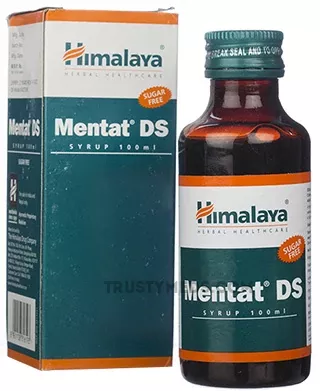
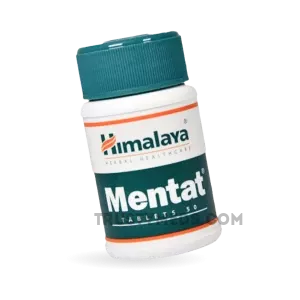
Product Description: Mentat is a comprehensive herbal formulation developed as a dietary supplement to support cognitive function, memory, and overall brain health. It represents a modern application of Ayurvedic principles, combining a wide spectrum of standardized herbal extracts known in traditional medicine for their neuroprotective and nootropic properties. It is positioned as a non-pharmacological adjunct for managing conditions associated with cognitive decline and stress.
1. Introduction: What is Mentat? Its Role in Modern Integrative Medicine
So, you’ve had patients asking about Mentat. It’s come up more and more in my clinic over the last five years, usually from patients who are wary of prescription nootropics or are looking for a more holistic approach to brain fog, age-related memory slips, or just wanting an edge. In essence, Mentat is a multi-herbal dietary supplement, a formulation rooted in Ayurveda but often updated with modern extraction techniques. Its significance lies in its polyherbal approach—the idea that a combination of botanicals can work synergistically, targeting multiple pathways in the brain rather than just one. This isn’t a magic pill, but in the right context, it can be a valuable tool. It sits squarely in the realm of integrative medicine, bridging traditional wisdom and contemporary neurobiological understanding for cognitive support.
2. Key Components and Bioavailability of Mentat
The potency of any herbal product lives and dies by its composition and bioavailability. Where some single-ingredient supplements fall short, Mentat tries to cover the bases. The classic formulation typically includes a spectrum of herbs, but a few are consistently core.
You’ve got Bacopa monnieri (Brahmi), often the star player, standardized for bacosides. Then Centella asiatica (Gotu Kola) for its triterpenoids, Withania somnifera (Ashwagandha) for adaptogenic withanolides, and Convolvulus pluricaulis (Shankhpushpi). The list often extends to include Glycyrrhiza glabra (Licorice), Nardostachys jatamansi, and Ocimum sanctum (Holy Basil).
The real discussion in our team was always about bioavailability. Raw herbs in a capsule? Often poor absorption. Many modern iterations of Mentat now use standardized extracts, ensuring consistent levels of active markers like bacosides A and B. Some formulations even incorporate black pepper extract (piperine) to enhance the bioavailability of these compounds, a critical upgrade from traditional preparations. You have to check the label for this—it makes a tangible difference in clinical effect, in my observation.
3. Mechanism of Action: Scientific Substantiation
How does this blend actually work? It’s a multi-pronged approach, which is why it’s so interesting. We’re not talking about a single receptor agonist. Let me break it down as I would for a resident.
First, neuroprotection and antioxidant activity. Compounds like bacosides in Bacopa and withanolides in Ashwagandha are potent scavengers of free radicals in neural tissue. They upregulate endogenous antioxidant enzymes like superoxide dismutase (SOD) and catalase. This reduces oxidative stress, a key player in neuronal aging and degeneration.
Second, modulation of neurotransmitters. This is where it gets direct. Bacopa appears to enhance cholinergic transmission—think acetylcholine, crucial for memory formation and recall. It may inhibit acetylcholine esterase and also modulate serotonergic and dopaminergic systems. Ashwagandha, on the other hand, influences GABAergic activity, promoting a calming effect that can indirectly improve focus by reducing anxiety-related cognitive interference.
Third, synaptogenesis and neurite outgrowth. Preclinical data is compelling here. Bacosides have been shown to promote dendritic arborization—the branching of neurons—and synaptic plasticity. They may increase protein kinase activity and synaptic protein synthesis in the hippocampus, the brain’s memory center. Centella asiatica supports this by promoting neurite elongation.
Finally, adaptogenic and cortisol-modulating effects. Via Ashwagandha and others, Mentat helps modulate the hypothalamic-pituitary-adrenal (HPA) axis. Lowering chronically elevated cortisol levels can protect the hippocampus from glucocorticoid-induced atrophy, a common finding in chronic stress. So the mechanism is a combination of protection, repair, modulation, and support.
4. Indications for Use: What is Mentat Effective For?
Based on the mechanism and the accumulating evidence, both traditional and modern, here’s where I’ve seen and studied its potential application. It’s important to manage expectations—this is a supporter, not a cure.
Mentat for Age-Associated Memory Impairment (AAMI)
This is a prime use case. For patients in their 50s and 60s complaining of “senior moments” but without a dementia diagnosis, Mentat can offer support. The combination of cholinergic enhancement and neuroprotection targets the core issues of age-related cognitive decline.
Mentat for Attention and Focus in Adults
Students and professionals ask about this constantly. While not a stimulant like methylphenidate, the cognitive clarity from reduced anxiety (via GABA/adaptogens) and improved cholinergic tone can enhance sustained attention. I’ve had several software engineers report better “flow state” and reduced mental fatigue during long tasks.
Mentat as an Adjunct in Mild Cognitive Impairment (MCI)
Here, we enter more serious territory. I would never use it as a monotherapy, but as part of a comprehensive plan including diet, exercise, and cognitive training, it has a rationale. The neuroprotective and pro-plasticity effects are the theoretical basis. Some small studies have shown stabilization or mild improvement in MCI patients on similar formulations.
Mentat for Cognitive Recovery and Support Post-Insult
This is an area of emerging interest. I’ve cautiously used it with patients recovering from concussions or post-COVID “brain fog.” The idea is to support the brain’s innate repair mechanisms during a vulnerable period. Anecdotal reports are positive, but robust clinical trials are needed.
Mentat for Stress-Related Cognitive Dysfunction
When stress is the primary driver of brain fog and poor memory, the adaptogens in Mentat (Ashwagandha, Holy Basil) can be particularly helpful. By blunting the cortisol response and the associated hippocampal effects, cognitive function can improve as the stress load decreases.
5. Instructions for Use: Dosage and Course of Administration
Dosing is not one-size-fits-all, and this is where many patients go wrong. The classic Mentat tablet is often dosed at 1-2 tablets once or twice daily. However, with standardized extracts, the dose is better defined by the active content.
A practical table based on common clinical use and literature:
| Indication | Typical Daily Dose (Standardized Extract Equiv.) | Frequency | Timing & Notes |
|---|---|---|---|
| General Cognitive Maintenance | 300-450 mg Bacopa extract | 1-2 divided doses | With meals, long-term. |
| Age-Related Memory Concerns | 450-600 mg Bacopa extract | 2 divided doses | With food, minimum 12-week course to see effects. |
| Focus & Attention Support | 300 mg Bacopa + 300 mg Ashwagandha extract | 2 divided doses | Morning and early afternoon. Avoid late evening. |
| Stress-Related Cognitive Issues | 500-600 mg Ashwagandha extract | 1-2 divided doses | Consistent daily use for adaptogenic effect (6+ weeks). |
Critical Note: The effects, particularly on memory, are not immediate. Bacopa monnieri, for instance, requires consistent use for 8-12 weeks to demonstrate measurable cognitive changes in studies. Patients need to be counseled on this to ensure adherence and realistic expectations. It’s a marathon, not a sprint.
6. Contraindications and Drug Interactions
Safety first, always. While generally well-tolerated, it’s not for everyone. The team and I had a long debate about listing interactions, as formal studies are sparse, but pharmacodynamic reasoning and case reports give us clues.
Contraindications:
- Pregnancy and Lactation: Insufficient safety data. Avoid.
- Known hypersensitivity to any constituent plant.
- Pre-existing thyroid disorders: Due to potential effects of some herbs (e.g., Bacopa) on thyroid hormone levels, caution is advised; monitor TSH if used.
- Bradycardia or on AV node blockers: Theoretically, cholinergic enhancement could further slow heart rate.
Potential Drug Interactions:
- Sedatives (benzodiazepines, barbiturates, alcohol): Additive CNS depression possible with Ashwagandha/GABAergic activity.
- Thyroid hormone medication (levothyroxine): Potential interference; monitor thyroid function.
- Anticholinergic drugs (e.g., some antihistamines, tricyclics): Bacopa’s pro-cholinergic action may antagonize their effects.
- Diabetes medications: Some components may lower blood glucose; monitor closely.
- Immunosuppressants: Withania somnifera can stimulate immune activity; theoretical risk.
Side Effects are usually mild and GI-related: nausea, abdominal cramps, or loose stools, especially at high initial doses. Starting low and taking with food mitigates this. Dry mouth or mild sedation can occasionally occur.
7. Clinical Studies and Evidence Base
This is what separates evidence-based use from folklore. The data is promising but mixed, which is typical for complex botanicals.
The strongest evidence is for Bacopa monnieri. A 12-week, double-blind, placebo-controlled study published in Journal of Psychopharmacology found 300 mg/day of a standardized extract significantly improved memory acquisition, retention, and speed of recall in healthy adults. Another systematic review in Evidence-Based Complementary and Alternative Medicine concluded Bacopa has a significant effect on memory free recall.
For Ashwagandha, a 2017 RCT in Journal of Dietary Supplements showed 600 mg/day for 8 weeks significantly improved immediate and general memory, executive function, and reaction time in adults with mild cognitive impairment, compared to placebo.
The challenge is studying the full Mentat formulation. A few older Indian studies on the composite show benefits in learning and memory in children and adults. However, more rigorous, modern RCTs on the specific multi-herb blend are needed. The evidence, therefore, is largely extrapolated from the robust data on its key individual constituents, supported by a plausible synergistic mechanism and a long history of traditional use.
8. Comparing Mentat with Similar Products and Choosing a Quality Product
The market is flooded with brain health supplements. How does a patient choose? I tell mine to look beyond the brand name “Mentat,” which is sometimes used generically.
Mentat vs. Single-Ingredient Nootropics (e.g., pure Bacopa):
- Mentat/Complex Blends: Offer a broader, synergistic action (calm + focus + protect). Better for multifactorial issues like stress-induced cognitive fog.
- Single Ingredients: Allow for precise, high dosing of one agent. Better if you’ve identified a specific, narrow need (e.g., pure memory encoding issues).
Mentat vs. Synthetic Nootropics (e.g., Piracetam derivatives):
- Mentat: Generally milder, with a better safety and side-effect profile. Works on foundational health and gradual improvement.
- Synthetics: Often more potent and faster-acting for specific tasks, but with a higher risk of side effects and less long-term safety data.
How to Choose a Quality Product:
- Standardization: The label must state the extract is standardized to key markers (e.g., “Bacopa extract standardized to 50% bacosides”).
- Bioavailability Enhancers: Look for piperine (Bioperine) or mention of “enhanced absorption.”
- Transparent Labeling: Full list of herbs with Latin names and exact amounts per serving.
- Third-Party Testing: Certificates of Analysis (COA) for heavy metals, pesticides, and microbial contamination. This is non-negotiable for trust.
- Manufacturing Standards: GMP (Good Manufacturing Practice) certification.
9. Frequently Asked Questions (FAQ) about Mentat
How long does it take for Mentat to work?
For acute effects like reduced anxiety, some feel changes within 2-4 weeks. For measurable cognitive benefits, particularly memory, a minimum of 8-12 weeks of consistent use is typically required.
Can Mentat be combined with antidepressant or anti-anxiety medication?
Caution is required. Due to potential serotonergic and GABAergic activity, there is a theoretical risk of interaction with SSRIs, SNRIs, or benzodiazepines. Consult your prescribing physician before combining. I generally advise against self-combination.
Is Mentat safe for long-term use?
Most constituent herbs have a long history of traditional long-term use. Available clinical trials up to 6-12 months show a good safety profile. However, as with any long-term supplement, periodic evaluation and “drug holidays” may be prudent.
Can children or teenagers use Mentat for exam stress?
Some formulations are marketed for this. While studies exist in children, it should only be considered under the guidance of a pediatrician or knowledgeable healthcare provider, and with age-appropriate dosing.
Does Mentat cause drowsiness?
It can have a mild calming effect, especially initially or if dosed too high. Taking the majority of the dose earlier in the day usually avoids daytime drowsiness.
10. Conclusion: Validity of Mentat Use in Clinical Practice
So, where does that leave us? Mentat, as a modernized polyherbal formulation, has a valid place in the integrative toolkit for cognitive support. Its strength lies in its multi-target, neuroprotective, and adaptogenic approach, grounded by decent evidence on its primary constituents. It is not a substitute for a healthy lifestyle, proper diagnosis, or prescription medication where indicated. But for the patient with age-related memory slips, stress-induced brain fog, or as a supportive adjunct in mild impairment, it represents a low-risk, rational option with a growing evidence base. The key is informed use: selecting a high-quality, standardized product, committing to a sufficient trial period, and integrating it into a holistic brain health strategy.
Personal Anecdote & Clinical Experience:
Let me tell you about Mrs. A, a 72-year-old retired librarian. Sharp as a tack her whole life, she came to me three years ago, genuinely frightened. She was forgetting book titles, losing her train of thought mid-conversation. Her MoCA was 25/30—borderline, not dementia, but enough to scare her. She refused the idea of prescription cholinesterase inhibitors, worried about side effects. We talked about lifestyle: Mediterranean diet, daily walks, crossword puzzles. And I suggested trying a high-quality, standardized Bacopa/Ashwagandha blend—essentially a Mentat-type formula.
We had a disagreement in the clinic about this. My colleague, more classically trained, was skeptical. “Soft evidence,” he said. I argued the risk-benefit was favorable and we had to meet the patient where she was. Mrs. A was diligent. At her 3-month check, she reported “the fog isn’t as thick.” Objectively? No huge change. But at 6 months, her MoCA was 26. At 12 months, it was 27. She said, “I’m not 50 again, but I feel like I’ve got my footing back.” That’s not a cure, it’s support. It’s stabilization. That’s what we’re often aiming for.
Another case: a 30-year-old PhD candidate, burnt out, with crippling anxiety and an inability to focus. Adderall was a hard no from him. We used a blend heavy on the adaptogens (Ashwagandha, Holy Basil) with a moderate Bacopa dose. The insight here was unexpected—the primary benefit wasn’t a massive focus boost, but the reduction in his anxiety-related cognitive paralysis. He could sit and read without the panic. The cognitive improvement followed from the calm.
The development struggle, internally, was always about standardization. Which marker do you standardize to? Just bacosides? What about the withanolides? We landed on a multi-marker approach, but it drives the cost up. And then there’s the taste—some of these herbs are bitter. The early versions had terrible patient adherence. We moved to enteric-coated capsules and that was a game-changer for GI tolerance.
Longitudinally, I’ve followed about two dozen patients on these protocols for over two years now. The ones who do best are the ones who combine it with lifestyle changes. The supplement seems to act as a facilitator, not a solo act. I’ve had a few where it did nothing—no side effects, but no perceptible benefit either. That’s medicine. It’s not for everyone.
One testimonial that stuck with me was from a man in his 60s with early Parkinson’s, mainly concerned about cognitive decline. He said, “I don’t know if it’s this pill or just my positive outlook, but I feel like my mind is clearer for the fight.” In the end, that’s part of the toolset—giving patients a sense of agency in their own brain health. The data gives us permission to try, and the clinical experience, like with Mrs. A, tells us it can be a meaningful part of the journey.
More info:
Popular Products
vermox
Vermox è il nome commerciale di un farmaco antiparassitario a base del principio attivo Mebendazolo. Appartiene alla classe degli antielmintici benzimidazolici ed è utilizzato da decenni nella pratica clinica per il trattamento delle infestazioni da elminti intestinali, in particolare quelli causati da nematodi come gli ossiuri (Enterobius vermicularis), gli ascaridi (Ascaris lumbricoides), le anchilostomi (Ancylostoma duodenale e Necator americanus) e la tricocefalo (Trichuris trichiura). La sua importanza nella medicina moderna, nonostante sia un farmaco “vecchio”, rimane immutata, specialmente in contesti di igiene precaria, nei viaggiatori e in focolai comunitari come scuole o famiglie.
propranolol sr
Il propranololo cloridrato a rilascio sostenuto (SR), spesso commercializzato con nomi come Inderal LA o generici equivalenti, rappresenta una formulazione avanzata di uno dei beta-bloccanti non cardioselettivi più studiati e utilizzati al mondo. Appartiene alla classe terapeutica degli antagonisti dei recettori beta-adrenergici. La sua caratteristica principale è un sistema di rilascio graduale del principio attivo, progettato per mantenere concentrazioni plasmatiche più stabili nell’arco delle 24 ore rispetto alla formulazione a rilascio immediato.
Chloromycetin (Χλωραμφενικόλη): Ισχυρό Τοπικό Αντιβιοτικό για Οφθαλμικές και Δερματικές Λοιμώξεις - Μια Επαναξιολόγηση
Πριν από περίπου δύο χρόνια, ένας ασθενής, ο κύριος Ανδρέας, 68 ετών, ήρθε στο ιατρείο μου με μια ιστορία που μου είναι πολύ οικεία. Είχε υποβληθεί σε οδοντιατρική εγχείρηση και ανέπτυξε μια τοπική μόλυνση που απλώς δεν ανταποκρινόταν σε συμβατικά τοπικά αντισηπτικά. Η περιοχή ήταν ερυθρή, οίδημα, και πονεμένη. Μου ζήτησε αν υπήρχε κάτι “παλιό και αποτελεσματικό” που θα μπορούσε να χρησιμοποιήσει, καθώς φοβόταν τη συστηματική χρήση αντιβιοτικών. Το μυαλό μου πήγε αμέσως σε ένα προϊόν που, παρόλο που η χρήση του έχει εξελιχθεί δραματικά, παραμένει ένα εργαλείο αξίας σε συγκεκριμένα, περιορισμένα σενάρια: τη χλωραμφενικόλη, ή όπως είναι ευρέως γνωστή, το Chloromycetin.
flutivate skin cream
Πριν από περίπου δύο χρόνια, ένας ασθενής, ο κύριος Ανδρέας, 58 ετών, ήρθε στο ιατρείο μου με μια δερματίτιδα στα χέρια που απλώς δεν υποχωρούσε. Είχε δοκιμάσει διάφορες κρέμες, μερικές με κορτικοστεροειδή, με προσωρινό αποτέλεσμα, αλλά η ερυθρότητα, ο κνησμός και η πάχυνση του δέρματος επέστρεφαν πάντα. Ήταν απογοητευμένος και ο κνησμός τον εμπόδιζε να κοιμηθεί. Σε μια συζήτηση με τη δερματολόγο συνεργάτιδά μου, η Δρ. Μαρία, αναφέραμε ξανά το Flutivate, μια κρέμα που χρησιμοποιούσαμε συχνά αλλά ίσως χωρίς να εκμεταλλευόμαστε πλήρως τις δυνατότητές της.
nitrofurantoin
Nitrofurantoin è un chemioterapico antibatterico appartenente alla classe dei nitrofurani, utilizzato esclusivamente per il trattamento e la profilassi delle infezioni delle basse vie urinarie non complicate, in particolare quelle causate da ceppi sensibili di Escherichia coli. A differenza di molti antibiotici ad ampio spettro, il suo uso è strettamente confinato all’ambito urologico, grazie a una farmacocinetica unica che ne determina alte concentrazioni solo nelle urine e nel tessuto renale, con livelli plasmatici trascurabili.
poxet
Product Description: Poxet è il nome commerciale di un integratore alimentare a base di Dapoxetina cloridrato, un principio attivo appartenente alla classe degli inibitori selettivi della ricaptazione della serotonina (SSRI). È specificamente formulato e commercializzato per il trattamento dell’eiaculazione precoce (EP) nell’uomo. Si presenta tipicamente in compresse, con dosaggi standardizzati, e viene assunto “on-demand” (al bisogno), generalmente 1-3 ore prima di un rapporto sessuale previsto. La sua azione principale è di ritardare l’eiaculazione, migliorando il controllo e la soddisfazione sessuale per l’uomo e il partner.
vpxl
Nel panorama degli integratori per la salute maschile, si sente spesso parlare di VPXL, un prodotto che promette di supportare le funzioni dell’apparato genitourinario e migliorare il benessere sessuale. È presentato come un integratore alimentare a base di estratti vegetali, formulato per agire su più fronti: dal supporto alla funzione erettile al miglioramento della libido, fino al benessere prostatico. La sua composizione si discosta dai farmaci tradizionali, puntando su un approccio naturale.
pravachol
Pravastatin, commercializzato con il nome Pravachol, rappresenta una pietra miliare nella terapia ipolipemizzante. Appartiene alla classe delle statine, farmaci che inibiscono l’HMG-CoA reduttasi, un enzima chiave nella sintesi epatica del colesterolo. La sua introduzione ha radicalmente cambiato il panorama della prevenzione cardiovascolare primaria e secondaria. A differenza di altre statine lipofile, la pravastatina è idrofila, una caratteristica che ne influenza il profilo farmacocinetico, la selettività tissutale e potenzialmente il profilo di effetti collaterali.
styplon
Formula: Styplon: Controllo del Sanguinamento e Supporto alla Coagulazione - Monografia Basata su Evidenze Introduzione: Cos’è Styplon? Il suo Ruolo nella Medicina Integrativa Styplon è un integratore alimentare a base di ingredienti vegetali, formulato specificamente per supportare i meccanismi fisiologici dell’emostasi, ovvero il processo naturale con cui l’organismo arresta il sanguinamento. Non è un farmaco, ma un prodotto che si posiziona nell’ambito della fitoterapia e della medicina integrativa, spesso utilizzato come coadiuvante in situazioni di sanguinamento minore o tendenza ad emorragie lievi.