Lovegra: A Pharmacological Approach to Female Sexual Arousal Disorder - Evidence-Based Review
| Dosaggio del prodotto: 100mg | |||
|---|---|---|---|
| Confezione (n.) | Per compresse | Prezzo | Acquista |
| 24 | €2.20 | €52.76 (0%) | 🛒 Aggiungi al carrello |
| 36 | €2.13 | €79.14 €76.58 (3%) | 🛒 Aggiungi al carrello |
| 60 | €2.04 | €131.89 €122.53 (7%) | 🛒 Aggiungi al carrello |
| 88 | €1.95
Migliore per compresse | €193.44 €171.89 (11%) | 🛒 Aggiungi al carrello |
Prodotti simili

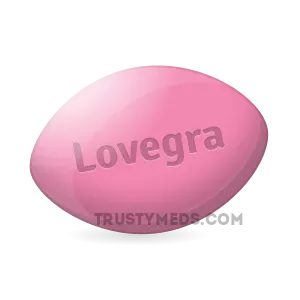
Product Description: Lovegra is a pharmaceutical product specifically formulated for the treatment of sexual dysfunction in women, primarily Female Sexual Arousal Disorder (FSAD). It contains sildenafil citrate as its active ingredient, the same compound found in Viagra for men. It functions as a selective inhibitor of cyclic guanosine monophosphate (cGMP)-specific phosphodiesterase type 5 (PDE5), aiming to enhance blood flow to the genital area. It is presented in tablet form, often in a distinctive pink color, and is intended for use approximately 30-60 minutes before anticipated sexual activity. Its use is strictly prescription-based and should be part of a comprehensive approach to female sexual health.
1. Introduction: What is Lovegra? Its Role in Modern Sexual Medicine
The conversation around sexual health has rightly expanded to encompass female sexual dysfunction (FSD), a multifactorial condition affecting a significant portion of the population. Lovegra entered this complex landscape as a direct pharmacological adaptation of a known entity: sildenafil citrate. Fundamentally, it represents an attempt to address the physiological component of female sexual response, specifically impaired genital blood flow and sensation, which characterizes Female Sexual Arousal Disorder (FSAD). It’s crucial to understand that Lovegra is not a “female Viagra” in the sense of a libido enhancer; it does not directly affect desire. Its role is to potentially improve the physical aspects of arousal—engorgement, lubrication, and sensitivity—when psychological, relational, and hormonal factors have been considered and addressed. This distinction is the cornerstone of its medical applications.
2. Key Components and Bioavailability of Lovegra
The composition of Lovegra is centered on a single, well-characterized active pharmaceutical ingredient (API).
- Active Ingredient: Sildenafil Citrate. This is identical to the molecule used in male erectile dysfunction treatments. Standard tablet strengths are typically 50mg or 100mg.
- Inactive Components: These include standard pharmaceutical excipients like microcrystalline cellulose, calcium hydrogen phosphate, croscarmellose sodium, and magnesium stearate, which form the tablet matrix. The distinctive pink color is achieved with coloring agents.
The bioavailability of sildenafil in Lovegra is approximately 40%, with peak plasma concentrations reached within 30 to 120 minutes (median 60 minutes). Absorption is slowed by a high-fat meal, which can reduce the rate of absorption and lower peak plasma concentrations. The elimination half-life is about 4 hours. This pharmacokinetic profile informs the standard instruction to take the tablet on an empty stomach or with a light meal about one hour before sexual activity.
3. Mechanism of Action of Lovegra: Scientific Substantiation
Understanding how Lovegra works requires a dive into vascular physiology. During sexual stimulation, nitric oxide (NO) is released in the genital tissues. NO activates the enzyme guanylate cyclase, leading to increased levels of cyclic guanosine monophosphate (cGMP). cGMP causes smooth muscle relaxation in the blood vessels of the clitoris, labia, and vagina, resulting in increased blood flow, engorgement, and transudation (lubrication).
The mechanism of action of sildenafil is to selectively inhibit phosphodiesterase type 5 (PDE5), the enzyme that breaks down cGMP. By inhibiting PDE5, Lovegra helps maintain higher levels of cGMP in the genital tissue, thereby potentiating the natural vasodilatory response to sexual stimulation. In simpler terms, it supports the body’s own arousal pathway but is not effective in the absence of sexual stimulation. Its effects on the body are systemic, which is why cardiovascular side effects are possible, but it acts predominantly where the NO-cGMP pathway is activated.
4. Indications for Use: What is Lovegra Effective For?
The primary and most researched indication for use is Female Sexual Arousal Disorder (FSAD), particularly the subtype with a significant physiological component. Diagnosis requires persistent or recurrent inability to attain or maintain adequate genital arousal (swelling, lubrication, sensation), causing personal distress. Its use for treatment of other FSD subtypes is less clear.
Lovegra for Arousal Disorder with Vascular Etiology
This is the core target. It may be most relevant for women where arousal difficulty is linked to vascular health, such as in some post-menopausal women or those with hypertension or diabetes, where blood flow is compromised.
Lovegra for SSRI-Induced Sexual Dysfunction
Some scientific research has explored its use for sexual side effects (particularly arousal and orgasm delay) caused by Selective Serotonin Reuptake Inhibitors (SSRIs). Evidence is mixed but shows some promise in specific cases, likely due to counteracting SSRI-induced inhibition of nitric oxide synthase.
Lovegra for Subjective Arousal Disorder
Its utility here is limited. If the physical response (genital engorgement) occurs but is not perceived or felt subjectively, a purely vasoactive drug is unlikely to resolve the core issue, which is often psychological or neurological in nature.
5. Instructions for Use: Dosage and Course of Administration
Instructions for use must be individualized by a prescribing physician. The following are general guidelines.
| Purpose / Scenario | Recommended Dosage | Frequency & Timing | Administration Notes |
|---|---|---|---|
| Initial Therapy for FSAD | 50 mg | Approximately 1 hour before anticipated sexual activity. Not to exceed once daily. | Take on an empty stomach or with a light meal for optimal absorption. |
| Dose Adjustment | May be increased to 100 mg or decreased to 25 mg. | Based on efficacy and tolerability. | The 25 mg dose is often used in patients with hepatic impairment or those on potent CYP3A4 inhibitors. |
| Maximum Recommended Dose | 100 mg | Once per 24-hour period. |
A typical course of administration is “on-demand.” Unlike some antidepressants used for FSD, it is not taken daily. The side effects are dose-dependent and often transient, including headache, flushing, nasal congestion, dyspepsia, and visual disturbances (a mild, transient blue-tinge). These occur due to PDE5 inhibition in other vascular beds.
6. Contraindications and Drug Interactions with Lovegra
Patient safety is paramount. Key contraindications include:
- Concurrent use of any form of organic nitrates (e.g., nitroglycerin, isosorbide) or nitric oxide donors. This combination can cause a severe, life-threatening drop in blood pressure.
- Severe hepatic impairment.
- Severe hypotension or uncontrolled hypertension.
- Recent stroke or myocardial infarction.
- Known hypersensitivity to sildenafil.
Important drug interactions must be screened for:
- Nitrates: Absolute contraindication, as mentioned.
- Alpha-blockers (e.g., doxazosin, tamsulosin): Can potentiate hypotensive effects; concurrent use requires caution and possibly a lower starting dose of sildenafil.
- Potent CYP3A4 Inhibitors (e.g., ketoconazole, itraconazole, ritonavir, clarithromycin): Can significantly increase sildenafil plasma levels. A maximum dose of 25 mg in a 48-hour period is recommended.
- Guanylate Cyclase Stimulators (e.g., riociguat): Contraindicated due to risk of hypotension.
Regarding pregnancy and lactation, Lovegra is not indicated for use in pregnant women. It is classified as FDA Pregnancy Category B (animal studies show no risk, but no adequate human studies). Use during breastfeeding is not recommended as it is unknown if sildenafil is excreted in human milk.
7. Clinical Studies and Evidence Base for Lovegra
The clinical studies landscape for Lovegra is more nuanced and less uniformly positive than for male sildenafil. Early, high-profile studies in broad populations of women with FSD showed limited effectiveness over placebo. However, subsequent scientific evidence suggests this is because FSD is heterogeneous.
A pivotal re-analysis revealed that for a subset of women with FSAD—particularly those who also reported adequate subjective arousal but impaired genital physiological response—sildenafil showed significant benefit. Studies in women with arousal dysfunction secondary to SSRIs or medical conditions like diabetes have shown more positive outcomes. For instance, a 2008 randomized controlled trial in The Journal of the American Medical Association (JAMA) on women with arousal disorder found that sildenafil improved aspects of genital arousal response. The key takeaway from the evidence base is that patient selection is everything. It is not a panacea for all female sexual problems, but a targeted tool for a specific physiological dysfunction.
8. Comparing Lovegra with Similar Products and Choosing a Quality Product
When patients ask about Lovegra similar products or which option is better, the discussion shifts to mechanism.
- Vs. Flibanserin (Addyi): Flibanserin is a daily medication for Hypoactive Sexual Desire Disorder (HSDD) in premenopausal women. It works centrally on serotonin/dopamine. Lovegra is for arousal, taken on-demand, and works peripherally on blood flow. They treat different conditions.
- Vs. Bremelanotide (Vyleesi): This is an on-demand injectable for HSDD in premenopausal women, acting on melanocortin receptors in the brain to spark desire. Again, different target than Lovegra.
- Vs. Hormonal Therapies (e.g., local estrogen): For postmenopausal women, vulvovaginal atrophy is a major cause of dyspareunia. Topical estrogen is a first-line treatment to improve tissue health and lubrication, addressing a root cause rather than just the blood flow response.
How to choose the right product depends entirely on an accurate diagnosis by a specialist. A quality product is a prescription product obtained from a licensed pharmacy. “Generic” versions from unregulated online sources pose significant risks of incorrect dosage, contamination, or containing no active ingredient at all.
9. Frequently Asked Questions (FAQ) about Lovegra
What is the recommended course of Lovegra to achieve results?
It is an on-demand medication. You take it approximately one hour before sexual activity. It does not require a long-term “build-up” period. If effective, results should be apparent with that single dose.
Can Lovegra be combined with alcohol?
Moderate alcohol consumption is unlikely to affect efficacy significantly but may increase the risk of side effects like dizziness or hypotension. Heavy consumption is not advised.
Can Lovegra be combined with antidepressants like SSRIs?
It can be, and is sometimes prescribed specifically to counter SSRI-induced sexual side effects. However, this must be done under strict medical supervision due to potential interactions and the need to rule out other causes of dysfunction.
Does Lovegra increase sexual desire (libido)?
No. Its mechanism is purely vasoactive. It may improve physical arousal, which can indirectly improve the sexual experience and potentially positively influence desire over time, but it is not a direct desire-enhancer.
Is a prescription required for Lovegra?
Yes. It is a prescription-only medication (POM) in virtually all regulated markets. A proper medical evaluation is essential to determine if it is appropriate and safe for you.
10. Conclusion: Validity of Lovegra Use in Clinical Practice
The validity of Lovegra use rests on precise patient selection. As a monotherapy for undifferentiated female sexual dysfunction, its evidence is weak. However, as a component of integrated management for women diagnosed specifically with physiological Female Sexual Arousal Disorder—particularly when vascular factors are implicated or in cases of SSRI-induced dysfunction—it has a demonstrable, evidence-based role. The risk-benefit profile is favorable when contraindications are strictly observed. Ultimately, Lovegra is not a simple solution, but a specific pharmacological tool that underscores the complexity of female sexual response. Its judicious use requires a knowledgeable clinician who can differentiate between the intertwined threads of desire, arousal, and orgasm.
Personal Anecdote & Clinical Experience:
You know, when Lovegra first hit the scene, there was this… almost palpable frustration in the clinic. We had women coming in, having heard the “pink Viagra” headlines, desperate for something. And we had this drug with a solid mechanistic rationale. But the early trials were disappointing. I remember arguing with a colleague—a brilliant psychiatrist—over coffee. He said, “It’s putting the cart before the horse. You can pump all the blood you want down there, if the mind’s not in it, it’s a waste.” And he wasn’t entirely wrong.
But then I saw Maria, 42, diabetic, well-controlled. Her desire was fine, she said. “The spark is there, but the engine won’t turn over.” That was her phrase. She described a clear disconnect between what she felt in her head and what she felt—or didn’t feel—physically. We’d ruled out hormonal issues, her relationship was solid, she wasn’t depressed. This was pure vascular compromise, a textbook microangiopathy presentation. We started her on 50mg, on-demand. The first follow-up, she was almost in tears. Not of joy, but of relief. “It’s not about being superhuman,” she told me. “It’s about my body finally listening to me again.” That case, and others like it, crystallized the insight for me: we were using the wrong sieve. We were testing it on all-comers with FSD, instead of this specific FSAD subgroup.
The development struggle, I think, was a marketing and diagnostic one, not purely pharmacological. The team wanted a blockbuster for “female sexual dysfunction,” but the science was pointing to a niche tool for “genital arousal insufficiency of vascular origin.” That’s a much harder sell, but a more honest one.
Another case: Lena, 38, on sertraline for anxiety. The SSRI worked wonders for her panic attacks but completely numbed her sexual response. She described arousal as “a ghost of a feeling.” We added Lovegra, 50mg on-demand. The change wasn’t dramatic, but it was meaningful. She said, “The feeling isn’t a ghost anymore. It’s faint, but it’s in the room.” That partial response taught me about the competing neurochemical pathways—serotonin damping things down, and the NO-cGMP pathway we were trying to boost. It’s a tug-of-war.
Long-term, I’ve had patients like Maria stay on it for years, using it intermittently as needed. Others, like Lena, eventually tapered off the SSRI and no longer needed it. The follow-up testimonials aren’t about miraculous transformations; they’re about functional restoration. “It gives me back a piece of normalcy,” one patient wrote. That’s the real-world observation that mixes with the clinical data: for the right woman, it’s not a magic pill, it’s a corrective lens. It doesn’t create a new picture; it just helps her see the one that was already there, but blurred. And sometimes, that’s exactly what’s needed.
More info:
Popular Products
sotret
Prima di tutto, chiariamo di cosa stiamo parlando. Quando mi chiedono di “Sotret”, in ambulatorio, devo fare subito una distinzione fondamentale. Non stiamo parlando del farmaco isotretinoina per uso sistemico ad alto dosaggio, quello che richiede il piano terapeutico, i controlli ematici stretti e la contraccezione obbligatoria. Quello è un’altra categoria, potentissima, con un profilo di effetti collaterali importante. Il “Sotret” di cui discuto qui è un integratore alimentare. La sua premessa, e devo dire che inizialmente ero molto scettico, è quella di fornire isotretinoina a dosaggi molto bassi, nell’ordine di microgrammi, spesso combinata con altri nutrienti sinergici come lo zinco, la niacinamide e il pantenolo, con l’obiettivo di modulare la seborrea e l’infiammazione dell’acne lieve e moderata dall’interno, ma con un profilo di tollerabilità che ne permette l’uso senza la sorveglianza medica stringente del farmaco.
Flomax: Sollievo Sintomatico Rapido per l'Ipertrofia Prostatica Benigna - Monografia Evidence-Based
Prodotto: Flomax (principio attivo: Tamsulosina cloridrato) Categoria: Farmaco, agente alfa-bloccante selettivo. Descrizione: Flomax è il nome commerciale di un farmaco a base di tamsulosina cloridrato, un antagonista selettivo dei recettori alfa-1A e alfa-1D adrenergici. È classificato come un agente per il trattamento dei sintomi del tratto urinario inferiore (LUTS) associati all’ipertrofia prostatica benigna (IPB o BPH). A differenza degli alfa-bloccanti non selettivi di vecchia generazione, la tamsulosina presenta una selettività d’organo per la prostata e l’uretra, il che si traduce in un profilo di effetti collaterali vascolari (come ipotensione ortostatica) generalmente più favorevole.
suhagra
Suhagra. Jeśli szukasz informacji o tym produkcie, prawdopodobnie natknąłeś się na niego w kontekście leczenia zaburzeń erekcji (ED). To nie jest zwykły suplement diety z półki. Suhagra to nazwa handlowa leku, którego substancją czynną jest syldenafil – ten sam, który znajduje się w oryginalnym Viagrze, jednym z najbardziej rozpoznawanych leków na świecie. W praktyce klinicznej to sprawdzony, generyczny środek stosowany w terapii męskiej dysfunkcji seksualnej, działający na poziomie fizjologicznym, a nie psychologicznym.
Ascorbic Acid: Dukungan Esensial untuk Fungsi Imun dan Sintesis Kolagen - Tinjauan Berbasis Bukti
Ascorbic acid, atau yang lebih dikenal sebagai vitamin C, adalah nutrisi esensial yang larut dalam air dengan peran krusial dalam berbagai fungsi fisiologis. Sebagai suplemen makanan dan zat farmasi, bentuk sintetisnya identik secara kimiawi dengan yang ditemukan dalam makanan alami seperti jeruk dan brokoli. Dalam praktik klinis modern, ascorbic acid telah melampaui konsep tradisionalnya sebagai pencegah scurvy, berkembang menjadi subjek penelitian intensif untuk aplikasi terapeutiknya yang potensial, mulai dari fungsi imun hingga kesehatan pembuluh darah dan integritas jaringan ikat.
malegra dxt plus
Prima di tutto, devo chiarire cosa stiamo parlando, perché il nome commerciale può trarre in inganno. “Malegra DXT Plus” non è un farmaco, ma un integratore alimentare. Viene spesso presentato online in modo ambiguo, vicino a prodotti per la disfunzione erettile, ma la sua composizione racconta una storia diversa, più complessa e legata al supporto neurologico e vascolare. In pratica, è una combinazione sinergica di tre componenti principali: Citicolina (CDP-Colina), Acido Alfa Lipoico (ALA) e vitamine del gruppo B ad alto dosaggio.
diclofenac sr
Il prodotto in questione è un farmaco antinfiammatorio non steroideo (FANS) appartenente alla classe degli acidi arilacetici, disponibile in una formulazione a rilascio sostenuto (SR, dall’inglese Sustained Release). Questa formulazione è progettata per rilasciare il principio attivo, il diclofenac, in modo graduale e prolungato nell’arco di diverse ore, permettendo una somministrazione meno frequente (tipicamente una o due volte al giorno) rispetto alle formulazioni a rilascio immediato. È ampiamente utilizzato nella pratica clinica per il suo potente effetto antinfiammatorio, analgesico e antipiretico.
super vidalista
Super Vidalista è un farmaco di combinazione utilizzato nel trattamento della disfunzione erettile e dei sintomi dell’ipertrofia prostatica benigna. Contiene due principi attivi: Tadalafil, un inibitore della fosfodiesterasi di tipo 5 (PDE5), e Dapoxetina, un inibitore selettivo della ricaptazione della serotonina (SSRI). Questa combinazione unica si propone di affrontare sia le difficoltà nel raggiungere e mantenere un’erezione, sia il problema dell’eiaculazione precoce, offrendo una soluzione duale per due comuni condizioni che spesso coesistono.
cenforce professional
Il Cenforce Professional è un dispositivo medico di classe IIa, registrato in Italia e nell’Unione Europea, progettato per il trattamento non farmacologico della disfunzione erettile (DE) lieve e moderata di origine vascolare. A differenza dei farmaci orali come il sildenafil (contenuto nel prodotto farmaceutico “Cenforce”), il Cenforce Professional non è un integratore né un farmaco, ma un dispositivo a tecnologia ESWT (Extracorporeal Shockwave Therapy) a bassa intensità (Li-ESWT). Si presenta come un dispositivo portatile, utilizzabile in ambito clinico o domiciliare sotto prescrizione e iniziale supervisione medica, che emette onde d’urto focalizzate per stimolare la neoangiogenesi e migliorare il flusso sanguigno nei corpi cavernosi del pene.
metformin
Metformina: un farmaco ipoglicemizzante fondamentale nel trattamento del diabete di tipo 2 - Revisione basata sull’evidenza 1. Introduzione: Cos’è la Metformina? Il suo Ruolo nella Medicina Moderna La metformina è un farmaco ipoglicemizzante orale appartenente alla classe delle biguanidi. È universalmente riconosciuta come la terapia farmacologica di prima linea per la gestione del diabete mellito di tipo 2 (DMT2), una condizione metabolica cronica caratterizzata da iperglicemia e insulino-resistenza. La sua importanza risiede non solo nella sua efficacia nel controllare i livelli di glucosio nel sangue, ma anche nel suo profilo di sicurezza favorevole, nel basso rischio di ipoglicemia e nei potenziali benefici extra-glicemici.