Glycomet: Foundational Glucose Control for Type 2 Diabetes - Evidence-Based Review
| Dosaggio del prodotto: 0.03mg+0.15mg | |||
|---|---|---|---|
| Confezione (n.) | Per compresse | Prezzo | Acquista |
| 180 | €0.20 | €36.58 (0%) | 🛒 Aggiungi al carrello |
| 270 | €0.18 | €54.88 €48.50 (12%) | 🛒 Aggiungi al carrello |
| 360 | €0.17
Migliore per compresse | €73.17 €60.41 (17%) | 🛒 Aggiungi al carrello |
| Dosaggio del prodotto: 250 mg | |||
|---|---|---|---|
| Confezione (n.) | Per compresse | Prezzo | Acquista |
| 30 | €0.11 | €3.40 (0%) | 🛒 Aggiungi al carrello |
| 60 | €0.09 | €6.81 €5.10 (25%) | 🛒 Aggiungi al carrello |
| 90 | €0.08 | €10.21 €6.81 (33%) | 🛒 Aggiungi al carrello |
| 180 | €0.05
Migliore per compresse | €20.42 €8.51 (58%) | 🛒 Aggiungi al carrello |
Prodotti simili


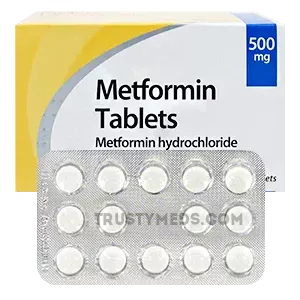


Product Description: Glycomet is an oral antidiabetic medication belonging to the biguanide class. Its active pharmaceutical ingredient is metformin hydrochloride. It is a cornerstone therapy in the management of type 2 diabetes mellitus, primarily by reducing hepatic glucose production and improving insulin sensitivity in peripheral tissues. It is available in various strengths, including immediate-release (IR) and extended-release (XR) formulations.
1. Introduction: What is Glycomet? Its Role in Modern Medicine
When you think of first-line pharmacotherapy for type 2 diabetes, one name invariably comes to mind: Glycomet, or metformin. It’s not an exaggeration to call it the bedrock upon which modern oral diabetic treatment is built. So, what is Glycomet used for? Primarily, it’s indicated for the management of hyperglycemia in type 2 diabetes, both as monotherapy and in combination with other antidiabetic agents, including insulin. Its significance extends beyond mere glucose-lowering; it’s associated with weight neutrality or modest weight loss, a favorable cardiovascular profile, and is remarkably cost-effective. For healthcare professionals and patients alike, understanding Glycomet is fundamental to navigating diabetes care. Its benefits are well-documented, making it the initial medication of choice for most patients upon diagnosis, barring contraindications.
2. Key Components and Bioavailability of Glycomet
The core of Glycomet is metformin hydrochloride, a synthetic biguanide. Its composition is straightforward, devoid of active metabolites, which simplifies its pharmacokinetic profile. However, the release form is a critical differentiator impacting tolerability and adherence.
- Glycomet Immediate-Release (IR): This is the standard formulation, typically administered two to three times daily with meals. It has a relatively short half-life, leading to peak plasma concentrations within 2-3 hours.
- Glycomet Extended-Release (XR): This formulation is designed for once-daily dosing. It utilizes a slow-dissolving matrix to gradually release metformin throughout the gastrointestinal tract. The bioavailability of the XR form is comparable to IR but achieved with lower peak plasma levels, which is a key point.
Why does this matter? The slower release profile of Glycomet XR is directly linked to improved gastrointestinal tolerability. Many patients who experience significant diarrhea, cramping, or bloating with the IR form find these side effects markedly reduced or eliminated with the XR version. This isn’t just about convenience; it’s about enabling effective dosing and long-term adherence. The choice between IR and XR often hinges on individual patient tolerance and lifestyle factors.
3. Mechanism of Action of Glycomet: Scientific Substantiation
So, how does Glycomet work? Its primary effects are multifaceted, and interestingly, its exact molecular mechanisms continue to be an area of active research. The classic understanding focuses on three key areas:
- Suppression of Hepatic Gluconeogenesis: This is considered its dominant effect. Glycomet activates an enzyme called AMP-activated protein kinase (AMPK) in the liver. Think of AMPK as the cell’s energy sensor. When activated, it signals a low-energy state, shutting down the liver’s production of new glucose (gluconeogenesis), which is often inappropriately high in type 2 diabetes.
- Improvement of Peripheral Insulin Sensitivity: It enhances the uptake and utilization of glucose in muscle cells. By making skeletal muscle more responsive to the body’s own insulin, it helps clear glucose from the bloodstream more efficiently.
- Delayed Intestinal Glucose Absorption: There’s also evidence it modestly slows the absorption of glucose from the gut, contributing to a blunted postprandial glucose spike.
What’s fascinating, and something we discuss in journal clubs, is the emerging data on its potential effects on the gut microbiome and glucagon-like peptide-1 (GLP-1) secretion. This might explain some of its benefits beyond pure glucose metrics. The scientific research consistently shows that its effects on the body are not mediated by stimulating insulin secretion, which is why it carries a low risk of hypoglycemia when used alone—a major safety advantage.
4. Indications for Use: What is Glycomet Effective For?
The indications for Glycomet are centered on type 2 diabetes, but its utility spans prevention, monotherapy, and combination treatment.
Glycomet for First-Line Monotherapy
This is its most common and guideline-endorsed role. Initiated at diagnosis alongside lifestyle modifications, it effectively lowers both fasting and postprandial glucose levels (HbA1c reduction typically 1-2%).
Glycomet for Combination Therapy
As diabetes is a progressive disease, Glycomet forms the stable base to which other agents (e.g., SGLT2 inhibitors, DPP-4 inhibitors, GLP-1 receptor agonists, insulin) are added. Its complementary mechanism makes it a versatile partner.
Glycomet for Prediabetes
This is a more nuanced, off-label but evidence-supported use. Major studies like the Diabetes Prevention Program (DPP) showed that metformin reduces the progression from prediabetes to type 2 diabetes by about 31%, particularly in younger, higher-BMI individuals. We often consider it for high-risk patients who struggle with intensive lifestyle change.
Glycomet for Polycystic Ovary Syndrome (PCOS)
Another well-established off-label use. By improving insulin resistance, it can help restore ovulation, regulate menstrual cycles, and may improve metabolic parameters in women with PCOS.
5. Instructions for Use: Dosage and Course of Administration
Getting the dosing right is crucial for balancing efficacy and tolerability. The general principle is “start low, go slow.”
Standard Initiation (IR Formulation):
- Starting Dose: 500 mg once daily with the evening meal, or 500 mg twice daily with meals.
- Titration: Increase by 500 mg weekly or every two weeks based on tolerance and glycemic response.
- Maximum Effective Dose: 2000 mg per day. The maximum approved dose is 2550 mg/day (IR) or 2000 mg/day (XR).
For the XR formulation, it is started at 500 mg once daily with the evening meal and can be titrated weekly by 500 mg up to a maximum of 2000 mg once daily. Taking it with food is non-negotiable—it significantly cuts down GI upset.
A simple table for quick reference:
| Indication | Typical Starting Dose (IR) | Typical Maintenance Dose | Key Administration Note |
|---|---|---|---|
| Newly Diagnosed T2DM | 500 mg once or twice daily | 1500-2000 mg/day in divided doses | Always take with food. |
| Adding to Existing Therapy | 500 mg daily | Titrated based on response | Monitor for interactions. |
| Prediabetes (off-label) | 500 mg once daily | 850 mg twice daily | Used with ongoing lifestyle intervention. |
The course of administration is long-term. It’s not a “treatment” with an endpoint but a chronic management strategy. Discontinuation usually leads to a return of hyperglycemia.
6. Contraindications and Drug Interactions with Glycomet
Safety first. The contraindications are critical to know by heart.
- Absolute Contraindications: Severe renal impairment (eGFR < 30 mL/min), acute or chronic metabolic acidosis, including diabetic ketoacidosis. A history of hypersensitivity to metformin is rare but a contraindication.
- Major Warning - Risk of Lactic Acidosis: This is the most serious potential side effect, but it’s exceedingly rare with proper patient selection. Risk is increased with conditions that predispose to hypoperfusion and hypoxia (e.g., sepsis, acute CHF, liver disease, excessive alcohol intake).
- Drug Interactions: The most clinically significant interaction is with iodinated contrast media. Glycomet must be withheld before and after procedures involving intravascular contrast to reduce renal injury risk. Other drugs that affect renal function or compete for tubular secretion (like cimetidine) may increase metformin levels. It’s generally safe with most antihypertensives and statins.
- Special Populations: It is Category B in pregnancy and commonly used in gestational diabetes. Use in the elderly requires careful renal function monitoring. It is not typically used in type 1 diabetes unless significant insulin resistance is present alongside insulin therapy.
7. Clinical Studies and Evidence Base for Glycomet
The clinical studies supporting Glycomet are vast and form the backbone of its credibility. The UK Prospective Diabetes Study (UKPDS) was a landmark. It demonstrated that intensive glucose control with metformin in overweight patients not only reduced microvascular complications but also showed a significant 39% reduction in myocardial infarction and a 36% reduction in all-cause mortality—a cardiovascular benefit that was not seen with sulfonylureas or insulin at the time. This finding was revolutionary.
Subsequent meta-analyses and trials, like the HOME trial, reinforced its cardiovascular safety and potential benefits. More recent real-world evidence continues to support its position. The scientific evidence is so robust that its failure to control glucose adequately is often the clinical trigger to add a second agent, not to replace metformin. The effectiveness data is about hard endpoints: reducing HbA1c, preventing complications, and improving survival. Physician reviews and guidelines from the ADA, EASD, and other bodies consistently reaffirm its first-line status.
8. Comparing Glycomet with Similar Products and Choosing a Quality Product
When patients ask about Glycomet similar drugs, they’re usually asking about other metformin brands or different drug classes.
- Brand vs. Generic: Glycomet is a branded version of metformin. Numerous bioequivalent generic metformin products exist at a lower cost. The active ingredient is identical. The difference may lie in the inactive ingredients (binders, fillers), which can rarely affect tolerability in sensitive individuals.
- Comparison with Other Classes:
- vs. Sulfonylureas (e.g., glipizide): Glycomet does not cause hypoglycemia or weight gain, but sulfonylureas are faster-acting.
- vs. DPP-4 Inhibitors (e.g., sitagliptin): DPP-4s are better tolerated GI-wise but are less potent and more expensive.
- vs. SGLT2 Inhibitors/GLP-1 RAs: These newer agents have cardio-renal benefits and promote weight loss but are far more costly and have different side effect profiles.
- How to choose? For most, generic metformin is the cost-effective, evidence-based starting point. The choice between IR and XR is driven by GI tolerance. Which Glycomet is better—IR or XR—depends on the individual patient’s side effect profile and dosing preference. A quality product is one from a reputable manufacturer, prescribed at the appropriate dose, and taken consistently.
9. Frequently Asked Questions (FAQ) about Glycomet
What is the recommended course of Glycomet to achieve results?
Glycomet works relatively quickly on glucose levels (effects seen within days), but the full glycemic effect may take 2-4 weeks. It is a lifelong medication for chronic disease management, not a short course.
Can Glycomet be combined with insulin?
Yes, very commonly. Glycomet improves insulin sensitivity, which can reduce the total daily insulin dose required and help mitigate the weight gain associated with insulin therapy.
I have diarrhea with Glycomet. What should I do?
This is the most common issue. First, ensure you’re taking it with a substantial meal. Switching from the immediate-release (IR) to the extended-release (XR) formulation resolves this for most patients. Starting at a very low dose (500mg) and titrating up slowly over weeks is also key.
Does Glycomet cause weight loss?
It is generally weight-neutral or associated with modest weight loss (2-3 kg on average), unlike many other diabetes medications. It does not stimulate appetite.
Do I need to stop Glycomet before surgery?
This is a critical safety point. Yes, you typically need to hold Glycomet for 24-48 hours before and after any surgical procedure or one involving contrast dye, and only restart it once your oral intake is normal and renal function is confirmed to be stable. Always follow your surgeon’s and endocrinologist’s specific instructions.
10. Conclusion: Validity of Glycomet Use in Clinical Practice
In summary, the risk-benefit profile of Glycomet remains exceptionally favorable. Its validity in clinical practice is underpinned by decades of robust evidence demonstrating effective glucose-lowering, a good safety profile (with careful patient selection), potential cardiovascular benefits, and low cost. It rightly maintains its position as the foundational oral agent for type 2 diabetes mellitus. The final, expert recommendation is clear: for the vast majority of patients with type 2 diabetes without contraindications, metformin (Glycomet), in conjunction with lifestyle modification, should be the initial pharmacologic therapy.
Personal Anecdote & Clinical Experience:
Let me tell you about Mrs. A, a 58-year-old teacher diagnosed with an HbA1c of 8.5%. She was terrified of medications, convinced they’d make her gain weight or “hurt her kidneys.” I started her on metformin XR, 500mg with dinner, after a long chat about its mechanism—how it’s not a “strong” drug that forces things, but more of a “guide” that helps her body use its own insulin better. We framed it as an aid to her new walking routine. The first week, she called about mild bloating. I told her to stick with it, that her gut was just adjusting. By week three, the bloating was gone. At her 3-month follow-up, her HbA1c was 7.1%, and she’d lost 4 pounds without trying. She said, “I don’t even feel like I’m on medication.” That’s the metformin sweet spot.
But it’s not always that smooth. I remember the early days of my practice, being overly aggressive. Mr. B, a robust 65-year-old, I started on 850mg twice daily straight away. He came back two weeks later, miserable with diarrhea, ready to quit. The clinic nurse pulled me aside later and said, “You know, the old docs always start at 500 and go slow.” It was a simple lesson in patience I never forgot. We stopped, let him recover, and restarted at 500mg XR. He eventually titrated up to 1000mg twice daily with zero issues. My own rushed protocol failed because I ignored the basic pharmacology of gradual titration.
Then there was the interesting case of a younger colleague on our team, a sports medicine doc, who argued against metformin for our active, prediabetic patients. “Lifestyle alone should be enough,” he’d say. But we reviewed the DPP data together—the hard numbers showing that even in a supervised lifestyle program, metformin still added significant protection. We had a healthy disagreement that ended with a more nuanced protocol: a 6-month intensive lifestyle trial for motivated prediabetics, with metformin as a backup for those who couldn’t get their fasting glucose below 110. It was a good compromise.
The most unexpected finding I’ve seen repeatedly isn’t in the textbooks. It’s the non-responder. You have a patient, good adherence, no GI issues, on a decent dose of 2000mg, and the HbA1c just won’t budge below, say, 8.5%. You check for occult steroid use, sleep apnea, pancreatic issues… sometimes there’s just a pronounced beta-cell failure where insulin secretion is so low that improving sensitivity with metformin isn’t enough. That’s your signal to move quickly to combination therapy, often with an agent that addresses insulin deficiency. It’s a clinical clue.
Longitudinally, I’ve followed some patients on metformin for over 15 years. One, a now 72-year-old man with diabetes diagnosed at 50, is still on metformin XR 1000mg twice daily plus a low dose of a DPP-4 inhibitor. His kidneys have held up (eGFR stable in the 60s), no cardiovascular events. His testimonial is simple: “It’s just part of my routine, like my morning coffee.” That’s the ultimate goal—safe, effective, and seamless integration into a life not defined by disease. The data is one thing, but seeing that play out over decades in your own panel of patients is what truly cements your trust in a medication. You learn its rhythms, its quirks, and its real-world value far beyond the clinical trial endpoints.
More info:
Popular Products
Bestina: Modulazione Immunitaria per il Sostegno delle Difese Naturali - Monografia Evidenze-Based
Il prodotto in questione, Bestina, è un integratore alimentare a base di beta-glucani purificati, derivati dal ceppo specifico di lievito Saccharomyces cerevisiae CNCM I-1079. Si presenta tipicamente in forma di polvere o capsule, progettato per modulare e sostenere la funzione del sistema immunitario attraverso un meccanismo d’azione ben definito a livello della mucosa intestinale. Non è un farmaco, ma un dispositivo medico o integratore (a seconda della classificazione regionale) il cui utilizzo si sta diffondendo in contesti di supporto immunologico.
tadalista professional
Prima di tutto, chiariamo di cosa stiamo parlando. Il Tadalista Professional non è un integratore alimentare. È classificato come dispositivo medico di Classe IIa, un sistema a rilascio transdermico che eroga tadalafil attraverso la pelle del pene. Questo è un punto fondamentale che lo distingue radicalmente dalle compresse orali di tadalafil (come il Cialis®) e da tutti gli integratori “naturali” per la disfunzione erettile (DE) che si trovano online. Il suo scopo è offrire un’opzione terapeutica localizzata, con un profilo di effetti sistemici potenzialmente ridotto, per uomini che cercano una soluzione per la DE.
Geriforte: Supporto Adattogeno per la Resistenza allo Stress e il Benessere Generale - Monografia Basata sull'Evidenza
Product Description: Geriforte è un integratore alimentare complesso di origine vegetale, formulato con una combinazione sinergica di estratti erboristici, minerali e vitamine. È classificato come un tonico adattogeno, progettato per supportare la risposta dell’organismo allo stress fisico e mentale e per promuovere il benessere generale. La sua composizione multi-ingrediente mira a fornire un sostegno nutrizionale di base e a modulare i processi metabolici. 1. Introduzione: Cos’è il Geriforte? Il suo Ruolo nel Benessere Moderno Quando si parla di gestione dello stress e supporto alla resilienza dell’organismo, la categoria degli adattogeni occupa uno spazio significativo.
proscar
Proscar è il nome commerciale di un farmaco a base del principio attivo finasteride, disponibile in compresse da 5 mg. È classificato come un inibitore della 5-alfa-reduttasi di tipo II. Nella pratica clinica, non è un integratore alimentare né un dispositivo medico, ma un farmaco da prescrizione utilizzato principalmente nel trattamento dell’ipertrofia prostatica benigna (IPB) e, a un dosaggio diverso (1 mg), della calvizie maschile (alopecia androgenetica). La sua introduzione ha rappresentato un punto di svolta nella gestione medica dell’IPB, offrendo per la prima volta un’opzione farmacologica in grado di modificare la storia naturale della malattia riducendo il volume della prostata, piuttosto che limitarsi a trattare i sintomi.
Mentat: Cognitive Support and Neuroprotection - An Evidence-Based Review
Product Description: Mentat is a comprehensive herbal formulation developed as a dietary supplement to support cognitive function, memory, and overall brain health. It represents a modern application of Ayurvedic principles, combining a wide spectrum of standardized herbal extracts known in traditional medicine for their neuroprotective and nootropic properties. It is positioned as a non-pharmacological adjunct for managing conditions associated with cognitive decline and stress. 1. Introduction: What is Mentat? Its Role in Modern Integrative Medicine So, you’ve had patients asking about Mentat.
speman
Speman is a well-established polyherbal formulation specifically developed to support male reproductive health, with a primary focus on supporting spermatogenesis and improving semen parameters. It falls under the category of dietary supplements or, in some regulatory frameworks, herbal medicinal products. Its significance lies in addressing male factor infertility, which contributes to nearly half of all infertility cases, offering a non-invasive, natural approach that many men and couples seek before or alongside conventional treatments.
purinethol
Purinethol, con il suo principio attivo mercaptopurina, è un farmaco antimetabolita appartenente alla classe degli antagonisti delle purine. È un agente chemioterapico e immunosoppressore fondamentale, utilizzato da decenni in ematologia e reumatologia. La sua azione si basa sull’interferenza con la sintesi degli acidi nucleici, inibendo la proliferazione cellulare, particolarmente in cellule a rapido turnover come quelle leucemiche o del sistema immunitario iperattivo. Non è un integratore alimentare né un dispositivo medico, ma un farmaco soggetto a prescrizione medica con un profilo di sicurezza che richiede un attento monitoraggio.
ilosone
Product Description: Ilosone è il nome commerciale di un antibiotico appartenente alla classe dei macrolidi, il cui principio attivo è l’eritromicina (come estolato). È un farmaco di fondamentale importanza nella pratica clinica, utilizzato da decenni per il trattamento di un’ampia gamma di infezioni batteriche. La sua formulazione specifica come estolato ne migliora la stabilità gastrica e l’assorbimento. A differenza di molti integratori o dispositivi medici, Ilosone è un farmaco soggetto a prescrizione medica, il cui uso deve essere rigorosamente supervisionato da un professionista sanitario.
Alprostadil: Terapia Vasoattiva Mirata per Disfunzione Erettile e Ischemia - Monografia Evidence-Based
Alprostadil è un analogo sintetico della prostaglandina E1 (PGE1), una sostanza prodotta naturalmente dall’organismo con un ruolo cruciale in numerosi processi fisiologici. In ambito clinico, rappresenta uno dei farmaci vasoattivi più studiati e versatili, disponibile in diverse formulazioni per via iniettiva, intrauretrale e topica. La sua azione principale si esplica attraverso un potente effetto vasodilatatore, che ne determina le principali applicazioni in urologia, cardiologia e nefrologia. A differenza di molti trattamenti sistemici, le formulazioni locali di alprostadil permettono un’azione diretta sul tessuto bersaglio, minimizzando gli effetti sistemici e offrendo un profilo terapeutico unico per condizioni specifiche, in particolare la disfunzione erettile e l’ischemia critica degli arti.