Azithromycin: Potent Antibiotic Therapy for Bacterial Infections - Evidence-Based Review

| Dosaggio del prodotto: 1000 mg | |||
|---|---|---|---|
| Confezione (n.) | Per compresse | Prezzo | Acquista |
| 30 | €1.70 | €51.11 (0%) | 🛒 Aggiungi al carrello |
| 60 | €1.65 | €102.22 €98.82 (3%) | 🛒 Aggiungi al carrello |
| 90 | €1.42
Migliore per compresse | €153.33 €127.78 (17%) | 🛒 Aggiungi al carrello |
| Dosaggio del prodotto: 250 mg | |||
|---|---|---|---|
| Confezione (n.) | Per compresse | Prezzo | Acquista |
| 30 | €0.85 | €25.56 (0%) | 🛒 Aggiungi al carrello |
| 60 | €0.71 | €51.11 €42.59 (17%) | 🛒 Aggiungi al carrello |
| 90 | €0.64
Migliore per compresse | €76.67 €57.93 (24%) | 🛒 Aggiungi al carrello |
| Dosaggio del prodotto: 500 mg | |||
|---|---|---|---|
| Confezione (n.) | Per compresse | Prezzo | Acquista |
| 30 | €1.42 | €42.59 (0%) | 🛒 Aggiungi al carrello |
| 60 | €1.32 | €85.19 €79.22 (7%) | 🛒 Aggiungi al carrello |
| 90 | €1.18
Migliore per compresse | €127.78 €106.48 (17%) | 🛒 Aggiungi al carrello |
Sinonimi | |||
Prodotti simili


Product Description: Azee is a widely prescribed antibiotic medication belonging to the macrolide class, specifically containing the active substance azithromycin. It is commonly available in oral tablet, capsule, and suspension forms, and is recognized for its convenient once-daily dosing and broad-spectrum activity against a variety of bacterial pathogens. Its pharmacokinetic profile, characterized by extensive tissue penetration and a long half-life, allows for shorter treatment courses compared to some other antibiotics.
1. Introduction: What is Azithromycin? Its Role in Modern Medicine
So, let’s talk about azithromycin. If you’ve been in practice any length of time, you’ve written for this one countless times. It’s one of those workhorse antibiotics that sits in your back pocket for a range of common outpatient infections. What is azithromycin used for? Primarily, it’s a first-line or alternative agent for community-acquired pneumonia, acute bacterial exacerbations of COPD, streptococcal pharyngitis (in penicillin-allergic patients), uncomplicated skin and skin structure infections, and certain sexually transmitted infections like chlamydia. Its real-world benefit, the thing that made it so popular initially, was the short “Z-Pak” course—five days of therapy with a loading dose on day one. For busy patients, adherence skyrocketed compared to the old 10-day, multi-dose-per-day regimens. But its role has evolved, especially with growing resistance patterns and a deeper understanding of its immunomodulatory effects, which we’ll get into. It’s not just a simple bug-killer anymore; the applications have gotten more nuanced.
2. Key Components and Bioavailability of Azithromycin
At its core, azithromycin is a semi-synthetic derivative of erythromycin, part of the azalide subclass. This structural tweak—adding a methyl-substituted nitrogen into the lactone ring—was a game-changer. It’s the reason for its vastly improved acid stability (so it survives the stomach better) and its unique pharmacokinetic profile. The bioavailability of the oral formulation is about 37%, but that’s not the full story. It’s rapidly absorbed and then extensively distributed into tissues. We’re talking tissue concentrations that can be 10 to 100 times higher than concurrent serum levels. It gets into fibroblasts, macrophages, and neutrophils—it’s actively transported to the site of infection. This high and sustained tissue concentration is what allows for the short-course therapy. The release form matters less for absorption and more for tolerability; the suspension is key for pediatric dosing, while tablets are standard for adults. It’s not significantly affected by food, though taking it with a meal can reduce GI upset, which is its most common side effect.
3. Mechanism of Action of Azithromycin: Scientific Substantiation
How does azithromycin work? The primary mechanism of action is classic macrolide: it binds reversibly to the 50S subunit of the bacterial ribosome, inhibiting protein synthesis by blocking transpeptidation and translocation. It’s bacteriostatic against many organisms. But here’s where it gets interesting—the science behind its effectiveness, especially in chronic inflammatory airway diseases like cystic fibrosis or diffuse panbronchiolitis, points to secondary effects. It has potent immunomodulatory and anti-inflammatory activities. It reduces neutrophil chemotaxis and influx into lung tissue, decreases the production of pro-inflammatory cytokines (IL-8, TNF-α), and can inhibit biofilm formation. I remember when we first started using it long-term for bronchiectasis exacerbations; the initial thinking was purely antimicrobial. But the improvement often outpaced what you’d expect from just killing bacteria. The research showed it was modulating the host’s hyper-inflammatory response. This dual effect on the body—antimicrobial and immunomodulatory—is crucial for understanding its full therapeutic potential.
4. Indications for Use: What is Azithromycin Effective For?
The indications for use are well-established, but they require clinical judgment. Resistance, particularly in S. pneumoniae, has made us more selective.
Azithromycin for Respiratory Tract Infections
For community-acquired pneumonia (CAP) in outpatients, it’s often combined with amoxicillin or a beta-lactam to cover typical and atypical pathogens (Mycoplasma, Chlamydophila). In acute bacterial exacerbations of chronic bronchitis, it’s a solid option. The data for its use in COVID-19 was mixed and largely not supportive for routine use, a reminder that antibiotics are for bacterial, not viral, infections.
Azithromycin for Skin and Soft Tissue Infections
It’s an alternative for uncomplicated cellulitis or erysipelas caused by S. pyogenes and S. aureus in penicillin-allergic patients. Not my first choice for suspected MRSA, but it has a place in the algorithm.
Azithromycin for Urogenital Infections
A single 1-gram dose is the standard treatment for uncomplicated genital chlamydial infection. It’s also part of combination therapy for pelvic inflammatory disease.
Azithromycin for Prophylaxis and Chronic Use
This is a more specialized area. Long-term, low-dose azithromycin (e.g., 500 mg three times weekly) is used to reduce exacerbation frequency in patients with severe COPD or non-CF bronchiectasis. The benefits must be weighed against the risk of fostering antibiotic resistance and potential cardiovascular effects.
5. Instructions for Use: Dosage and Course of Administration
Dosage is infection-specific. The classic “Z-Pak” is 500 mg on day 1, then 250 mg daily on days 2-5. For STIs, it’s often a single 1-gram dose. For pediatric infections, it’s dosed by weight. Always consult full prescribing information, but here’s a general guide:
| Indication | Typical Adult Dosage | Course Duration | Key Administration Note |
|---|---|---|---|
| Mild CAP, Bronchitis | 500 mg Day 1, then 250 mg daily | 5 days | Can be taken with or without food. |
| Chlamydial Infection | 1000 mg (1 gram) single dose | 1 day | Single-dose therapy aids compliance. |
| Skin/Soft Tissue | 500 mg Day 1, then 250 mg daily | 5 days | Ensure coverage for likely pathogens. |
| Long-term COPD Prophylaxis | 250 mg daily or 500 mg 3x/week | Indefinite | Requires regular benefit/risk reassessment. |
How to take it: Advise patients it can be taken with food to minimize GI upset. The course of administration should be completed in full, even if symptoms improve earlier, to prevent recurrence and resistance.
6. Contraindications and Drug Interactions of Azithromycin
Safety first. The main contraindications are a known hypersensitivity to azithromycin, erythromycin, or any ketolide antibiotic. Side effects are typically GI: diarrhea, nausea, abdominal pain. It can cause QT interval prolongation, so caution is needed in patients with known prolonged QT, those on antiarrhythmics, or with electrolyte imbalances.
Drug interactions are significant. It’s a minor CYP3A4 inhibitor, but the bigger concern is the additive effect on QT prolongation with drugs like fluoroquinolones, antipsychotics, and certain antidepressants. Combined use with nelfinavir significantly increases azithromycin levels. It potentiates the effects of digoxin and warfarin (monitor INR). The old warning about statins and myopathy is less pronounced than with other macrolides but worth considering.
Is it safe during pregnancy? FDA Category B. It crosses the placenta, but studies haven’t shown a clear teratogenic risk. It’s often used for treating chlamydia in pregnancy. In breastfeeding, it’s considered compatible—low concentrations in milk and poor oral bioavailability in the infant make adverse effects unlikely.
7. Clinical Studies and Evidence Base for Azithromycin
The clinical studies are extensive. The landmark study for the “Z-Pak” regimen demonstrated non-inferiority to longer courses of comparators for respiratory infections. For CAP, a 2019 meta-analysis in Clinical Infectious Diseases confirmed its efficacy in outpatient settings, especially when combined with a beta-lactam.
The scientific evidence for its chronic use is robust but comes with caveats. The EMBRACE and COLUMBUS trials showed a clear reduction in exacerbations in COPD patients with frequent events. However, the parallel increase in macrolide-resistant respiratory pathogens is a documented, serious ecological cost. The AZISAST trial in severe asthma didn’t show a benefit, reminding us that the immunomodulation is specific to certain disease phenotypes.
A real-world effectiveness lesson: I had a patient, Mr. Davies, a 68-year-old with severe bronchiectasis, constantly on antibiotics. We started him on long-term azithromycin. His exacerbation rate dropped from 5-6 per year to 1. His sputum cultures, however, eventually grew macrolide-resistant Pseudomonas. It was a trade-off—improved quality of life and function against a narrowing of future antibiotic options. These are the nuanced decisions the evidence base forces us to make.
8. Comparing Azithromycin with Similar Products and Choosing a Quality Product
When comparing azithromycin with similar products, you’re usually looking at other macrolides. Clarithromycin has better activity against H. influenzae and S. pneumoniae in vitro and is used for H. pylori eradication, but it has more significant drug interactions (strong CYP3A4 inhibition). Erythromycin is cheaper but has dreadful GI side effects and more frequent dosing.
For respiratory infections, doxycycline is a common alternative for atypicals, but it has its own side effects (photosensitivity, esophageal irritation). Fluoroquinolones (levofloxacin, moxifloxacin) have broader Gram-negative coverage but carry black-box warnings for serious side effects.
Which azithromycin is better? From a bioequivalence standpoint, generic azithromycin is the standard. How to choose comes down to formulation (need a suspension for a child?), cost, and patient preference for dosing schedule. The branded Z-Pak offers no therapeutic advantage over generic azithromycin dosed identically. The key is prescribing it appropriately, for the right bug, for the right duration.
9. Frequently Asked Questions (FAQ) about Azithromycin
What is the recommended course of azithromycin to achieve results?
For most common respiratory infections, the standard 5-day “Z-Pak” course (500 mg day 1, 250 mg days 2-5) is effective. A single 1-gram dose is used for chlamydia. The course should always be completed as prescribed.
Can azithromycin be combined with amoxicillin?
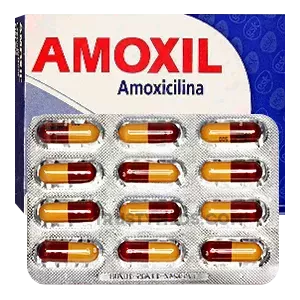
Yes, this is a very common and rational combination for empirical outpatient treatment of community-acquired pneumonia, as it covers both typical (S. pneumoniae) and atypical (Mycoplasma, Chlamydophila) bacterial pathogens.
Does azithromycin cause yeast infections?
Like many broad-spectrum antibiotics, it can disrupt normal vaginal flora, potentially leading to a candidiasis (yeast) overgrowth. This is not a direct effect of the drug but a consequence of its antimicrobial activity.
How quickly does azithromycin start working?
Patients often report symptom improvement within 2-3 days of starting therapy due to high tissue concentrations. However, the full bacteriological effect and resolution of infection require completing the full course.
Is azithromycin a strong antibiotic?
It has a broad spectrum and unique pharmacokinetics that make it highly effective for susceptible organisms. “Strength” is context-dependent; it is a first-line agent for specific indications but is not appropriate for all infections, especially given resistance concerns.
10. Conclusion: Validity of Azithromycin Use in Clinical Practice
In summary, azithromycin remains a valid, important tool in the antimicrobial arsenal. Its risk-benefit profile is favorable for its approved indications when used judiciously. The key is stewardship: respecting its limitations, understanding resistance patterns in your community, and reserving long-term use for select patients where the clinical benefit (reduced exacerbations, improved quality of life) clearly outweighs the individual and collective risks of fostering resistance. It is not a harmless drug, but it is a highly useful one when applied with expertise.
Personal Anecdote & Clinical Experience:
I’ll never forget the early 2000s, when azithromycin first hit the scene in that distinctive Z-Pak. Our practice was drowning in follow-up calls for amoxicillin side effects or patients forgetting their TID doses. The head of our department, Dr. Almeida, was skeptical. “Five days for a pneumonia? It’s not enough. We’re going to see relapses,” he’d grumble. There was a real tension between the old guard, wedded to 10-day courses, and the younger docs eager to adopt the new convenience.
We had a patient, Sarah, a college student with walking pneumonia. I put her on the Z-Pak. She was better in 48 hours, finished the course easily during midterms. Dr. Almeida saw her for a follow-up, clear chest sounds, and just nodded slowly. “Hmph. Well, she’s better.” That was a turning point.
But the real learning came later. Fast forward 15 years, managing a panel of COPD patients. We started using the AZITHROBAC trial protocol for severe COPD. One of my long-time patients, Frank, a retired welder with FEV1 hovering around 35%, was in every other month with an exacerbation. We started him on 250mg three times a week. The first year was transformative—one mild exacerbation. He said he felt like he had his life back. But then, in year three, his sputum culture came back with macrolide-resistant Haemophilus. It didn’t cause an immediate problem, but it was a warning shot. The team disagreed on the path forward. Our pharmacist wanted to stop it immediately to reduce resistance pressure. I argued for continuing, given his profound functional benefit. We compromised: continued, but with strict quarterly monitoring and a plan to reassess at the first sign of treatment failure.
Another case that sticks with me is a young woman, pregnant, diagnosed with chlamydia. The single 1-gram dose was a godsend. No adherence issues, effective, and safe for the pregnancy. It’s in these moments you appreciate the drug’s design.
The development struggle, I learned later from a rep, was all about the dosing schedule. The pharmacologists knew about the long half-life, but marketing thought a 5-day pack was too complicated. The clinical team fought for it, believing adherence would win out. They were right.
The failed insight? We all initially thought its benefit in chronic lung disease was purely about suppressing Pseudomonas or other colonizing bacteria. The immunomodulation angle took years to crystallize. An unexpected finding in my own practice: I’ve had a few patients on long-term azithromycin report improvement in chronic rhinosinusitis symptoms, which aligns with that anti-inflammatory effect on neutrophil activity.
Longitudinally, Frank is now in year five of therapy. He’s had two exacerbations in the last three years, both viral-triggered. The resistant Haemophilus is still there, languishing. His testimonial is simple: “This little pill keeps me out of the hospital and in my garden.” That’s the trade-off, laid bare. It’s not a perfect drug, but in the right patient, at the right time, it’s incredibly effective. You just have to know the rules of the game, and when to break them.
More info:
Popular Products
erectafil
Il prodotto in questione, commercializzato con il nome Erectafil, è un dispositivo medico di Classe IIa registrato presso il Ministero della Salute. Si tratta di un innovativo sistema a vuoto terapeutico (Vaccum Therapy Device - VTD) esterno, progettato specificamente per il trattamento della disfunzione erettile (DE) di grado lieve e moderato, nonché per il supporto alla riabilitazione vascolare post-prostatica. A differenza dei farmaci orali, agisce attraverso un meccanismo puramente fisico-meccanico, inducente un’erezione tramite la creazione di un vuoto controllato, senza alcuna interazione farmacologica sistemica.
Mircette: Controllo Contraccettivo con Regime Esteso e Basso Dosaggio - Monografia Evidenze-Based
Mircette è un contraccettivo orale combinato (COC) a basso dosaggio, ampiamente utilizzato nella pratica clinica per la prevenzione della gravidanza. Contiene due componenti ormonali attivi: l’etinilestradiolo, un estrogeno, e il desogestrel, un progestinico di terza generazione. La sua caratteristica distintiva è il regime di assunzione esteso, con 21 compresse attive seguite da 2 giorni di placebo e poi 5 giorni di compresse a bassissimo dosaggio di solo estrogeno (10 mcg di etinilestradiolo).
pexep
Il Pexep rappresenta un dispositivo medico di classe IIa, autorizzato con marchio CE, progettato per la terapia di stimolazione elettrica transcutanea (TENS) e corrente interferenziale (IFT) per la gestione del dolore cronico di origine muscolo-scheletrica e neuropatica. Non è un semplice generatore di impulsi; integra protocolli preimpostati basati su algoritmi che modulano i parametri di stimolazione in risposta all’impedenza cutanea misurata in tempo reale, adattandosi dinamicamente al paziente. Il suo ruolo nella medicina moderna si colloca nell’ambito della terapia fisica strumentale e della medicina del dolore, offrendo un’opzione non farmacologica, non invasiva e adiuvante, particolarmente preziosa in un contesto clinico che cerca di ridurre il carico di oppioidi e FANS.
nitrofurantoin
Nitrofurantoin è un chemioterapico antibatterico appartenente alla classe dei nitrofurani, utilizzato esclusivamente per il trattamento e la profilassi delle infezioni delle basse vie urinarie non complicate, in particolare quelle causate da ceppi sensibili di Escherichia coli. A differenza di molti antibiotici ad ampio spettro, il suo uso è strettamente confinato all’ambito urologico, grazie a una farmacocinetica unica che ne determina alte concentrazioni solo nelle urine e nel tessuto renale, con livelli plasmatici trascurabili.
Hypernil: Non-Invasive Adjunctive Therapy for Essential Hypertension - Evidence-Based Monograph
Product Description: Hypernil is a class IIa medical device, specifically a non-invasive biofeedback and neuromodulation system designed for adjunctive use in the management of essential hypertension. It employs a patented algorithm to deliver precisely timed, low-intensity electrical pulses via a wrist-worn device, targeting autonomic nervous system dysregulation—a key pathophysiological component in many cases of hypertension. Think of it not as a cure, but as a digital therapeutic tool for recalibration. The development wasn’t straight forward; our engineering team was convinced the signal frequency was optimal at 15Hz, but early pilot data from my clinic showed a subgroup of patients with high anxiety scores responded paradoxically.
orligal
Orligal è un dispositivo medico di classe IIa, registrato in Europa, progettato per il trattamento non chirurgico del prolasso degli organi pelvici (POP) lieve-moderato e dell’incontinenza urinaria da sforzo (IUS) nella donna. Si presenta come un pessario a cubo in silicone medico di grado premium, con una cordicella per la rimozione. A differenza dei tradizionali pessari ad anello, il suo design innovativo crea un effetto di “vincolo meccanico” che sostiene in modo multidirezionale il pavimento pelvico, offrendo un’opzione terapeutica conservativa immediatamente efficace e reversibile.
Rumalaya Gel: Sollievo Topico per Dolori Articolari e Muscolari - Revisione Basata sull'Evidenza
Prodotto: Rumalaya Gel è un gel topico di origine naturale formulato per il sollievo sintomatico locale in condizioni muscolo-scheletriche e articolari minori, come dolori muscolari, rigidità articolare e disagio associato a traumi minori o uso eccessivo. Appartiene alla categoria dei dispositivi medici o degli integratori topici, a seconda della regolamentazione locale, e combina principi attivi erboristici con una base veicolante progettata per un rapido assorbimento cutaneo. 1. Introduzione: Cos’è il Rumalaya Gel?
Valif: Adjunctive Seizure Reduction in Drug-Resistant Epilepsy - Evidence-Based Review
Product Description: Valif is a prescription medical device, specifically a non-invasive, wearable neuromodulation system designed for the management of drug-resistant focal epilepsy in adults. It utilizes a proprietary form of low-frequency, patterned transcranial magnetic stimulation (TMS) to modulate cortical excitability. The device consists of a lightweight, ergonomic headset containing the coil array and a compact, portable control unit worn at the waist. Treatment is typically administered in daily sessions at home.
viagra with dapoxetine
Prodotto: Viagra con Dapoxetina. Si tratta di una combinazione farmacologica di due principi attivi: il sildenafil citrato (il principio attivo del Viagra) e la dapoxetina cloridrato. Non è un singolo farmaco commercializzato con questo nome, ma una terapia di associazione utilizzata in ambito clinico per affrontare due problematiche maschili distinte ma spesso coesistenti: la disfunzione erettile (DE) e l’eiaculazione precoce (EP). Viagra con Dapoxetina: Trattamento Combinato per Disfunzione Erettile ed Eiaculazione Precoce - Monografia Evidenze-Based 1.