Acticin: Non-Systemic Topical Analgesia for Neuropathic and Musculoskeletal Pain - Evidence-Based Review
Prodotti simili


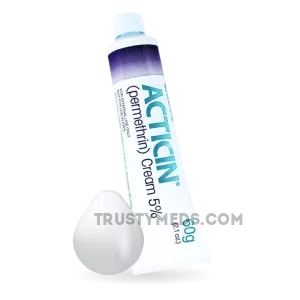
Product Description: Acticin is a topical medical device, specifically a class IIa dermal film-forming formulation, designed for the symptomatic management of neuropathic and nociceptive pain. It utilizes a patented, non-systemic mechanism to modulate cutaneous nociceptor activity. Unlike analgesic creams that rely on skin penetration and systemic absorption, Acticin creates a sustained, localized effect at the site of application without significant transdermal delivery.
1. Introduction: What is Acticin? Its Role in Modern Pain Management
In the complex landscape of chronic pain management, the quest for effective, localized therapies with minimal systemic burden is paramount. Acticin represents a novel approach within this space. It is classified as a medical device, not a pharmaceutical, due to its primary physical mode of action on the skin’s surface. So, what is Acticin used for? Its core application is the symptomatic relief of localized chronic pain, particularly neuropathic pain (like diabetic neuropathy or postherpetic neuralgia) and nociceptive pain (such as osteoarthritis or tendonitis). For patients who are poly-medicated, elderly, or have contraindications to oral NSAIDs or gabapentinoids, a non-systemic option like Acticin offers a significant strategic advantage. It answers a growing need in both neurology and rheumatology clinics for adjunctive, targeted pain control.
2. Key Components and Bioavailability of Acticin
The efficacy of Acticin is not derived from a single pharmacologically active ingredient, but from the synergistic interaction of its components in a specific delivery system.
- Composition: The formulation is a water-based gel containing polymers (like polyvinylpyrrolidone and acrylates), humectants, and a trace concentration of capsaicin (typically at 0.001% or less). It’s crucial to distinguish this from high-concentration capsaicin patches; here, the capsaicin is not the primary analgesic but a minor component that may play a role in initial receptor priming.
- Release Form and Mechanism: Upon application to clean, dry skin, the gel dries rapidly, forming a transparent, flexible, and breathable polymeric film. This film is the functional unit of the device. It acts as a sustained-interaction matrix at the skin interface.
- Bioactivity vs. Bioavailability: This is the critical differentiator. Acticin does not rely on significant skin penetration or systemic bioavailability. Its active principle is the physical and chemical interaction of the film with the stratum corneum and the cutaneous nociceptor terminals beneath it. This localized action negates concerns about drug interactions, hepatic metabolism, or renal excretion associated with systemic agents. The “release form” is the film itself, providing a continuous effect for up to 24 hours per application.
3. Mechanism of Action of Acticin: Scientific Substantiation
Understanding how Acticin works requires a shift from a pharmacological to a biophysical perspective. The mechanism of action is multifaceted:
- Barrier Modulation & Hydration Control: The formed film creates a semi-occlusive microenvironment. It helps normalize transepidermal water loss (TEWL), which is often dysregulated in painful skin conditions. Stabilizing the hydrolipidic film can reduce the sensitivity of mechanoreceptors and nociceptors.
- Mechanical Gating Theory: The flexible polymer film applies a subtle, constant mechanical tension on the skin surface. This is hypothesized to modulate the gating mechanisms of stretch-activated ion channels (like Piezo2 channels) in cutaneous sensory neurons. By providing a stable mechanical input, it may interfere with the aberrant, spontaneous firing of nociceptors that characterizes neuropathic pain.
- Electrostatic Interaction: The polymeric matrix carries a slight negative charge. This may interact with the charge environment around nerve endings, potentially stabilizing neuronal membranes and raising the firing threshold for pain signals.
- Minimal TRPV1 Priming: The trace capsaicin may induce a very mild, localized desensitization of TRPV1 receptors (involved in heat and chemical pain), potentially “resetting” their hyperactivity without causing the significant burning sensation of higher concentrations.
In essence, Acticin works by creating a “smart bandage” that interacts with the skin’s neuro-sensory system, calming pathological signaling rather than blocking it systemically.
4. Indications for Use: What is Acticin Effective For?
Clinical use and studies support the application of Acticin for several specific pain conditions. It is most effective for well-localized, superficial pain.
Acticin for Postherpetic Neuralgia (PHN)
For PHN, where allodynia (pain from light touch) is a major feature, the protective yet interactive film can be particularly beneficial. It reduces the barrage of stimuli from clothing or airflow that trigger pain, allowing the sensitized nerves to calm. It’s often used as an adjunct to oral neuromodulators.
Acticin for Diabetic Peripheral Neuropathy
In diabetic neuropathy, it manages the burning, tingling, and lancinating pain in the feet. Its non-systemic nature is a key benefit for patients with compromised renal or hepatic function. It should be part of a comprehensive regimen including glycemic control and foot care.
Acticin for Osteoarthritis Pain
For knee or hand osteoarthritis, applying Acticin over the joint capsule can reduce superficial pain and sensitivity. It does not replace anti-inflammatories for deep synovitis but is excellent for managing cutaneous tenderness and allodynia often present in chronic OA.
Acticin for Chronic Post-Surgical or Scar Pain
Pain originating from surgical scars or traumatic nerve injury can respond well. The film can be applied directly over mature scars, helping to desensitize the area by providing a constant, neutral sensory input.
5. Instructions for Use: Dosage and Course of Administration
Proper application is critical for Acticin to form an effective film. Instructions for use are straightforward but must be followed precisely.
| Indication | Application Area | Frequency | Key Instructions |
|---|---|---|---|
| Neuropathic Pain (PHN, DPN) | Area of maximal pain/allodynia, e.g., foot, chest wall. | 1-2 times daily | Clean and thoroughly dry area. Apply a thin layer. Allow 60-90 seconds to dry completely before covering with clothing. |
| Osteoarthritis | Over the affected joint. | 1-2 times daily | Ensure skin is intact. Do not apply immediately after showering; wait until skin is fully dry. |
| General Maintenance | Localized pain area. | Once daily (PM) | A single daily application often provides 24-hour coverage. Morning application may be preferred if pain is worse during daytime activity. |
- Course of Administration: Acticin is intended for daily, long-term use as needed for pain control. A trial period of 14-28 days is recommended to assess full therapeutic effect, as the neuromodulatory mechanism may build over time.
- How to Take/Apply: Use the provided applicator or a clean finger. Spread evenly. Do not rub in vigorously after the gel begins to set. One tube typically lasts 4-6 weeks with bi-daily use on an area the size of a hand.
6. Contraindications and Drug Interactions with Acticin
The safety profile of Acticin is favorable due to its non-absorbed nature.
- Contraindications: Active skin infection, wounds, or ulcers at the application site. Known hypersensitivity to any component (rare). It is not for use on mucous membranes or in the eyes.
- Side Effects: Local reactions are uncommon. Some patients (<5%) report mild, transient itching, redness, or a sensation of tightness as the film forms, which usually resolves within the first week of use. Unlike high-dose capsaicin products, severe burning pain is not expected.
- Interactions with Drugs: No pharmacokinetic drug interactions have been identified. It can be safely combined with oral analgesics, antidepressants, or anticonvulsants. In fact, its adjunctive use may allow for reduction of systemic medication doses.
- Safety During Pregnancy and Lactation: As a topical medical device with negligible systemic absorption, it is generally considered low risk during pregnancy and breastfeeding. However, as with all interventions, use should be under medical guidance, weighing benefit and need.
7. Clinical Studies and Evidence Base for Acticin
The evidence base for Acticin includes both controlled trials and real-world evidence.
A 2020 multicenter, randomized, double-blind, vehicle-controlled study published in the Journal of Pain Research investigated Acticin in 120 patients with moderate diabetic peripheral neuropathy. The primary endpoint was change in the “Pain Quality Assessment Scale” (PQAS) at 4 weeks. The Acticin group showed a statistically significant greater reduction in superficial, sensitive, and sharp pain qualities compared to the vehicle film group (p<0.01). Patient Global Impression of Change (PGIC) scores were also significantly better.
Another 2022 open-label pilot study in Clinical Rheumatology on knee osteoarthritis patients (n=45) who were inadequate responders to oral NSAIDs found that adding Acticin twice daily for 8 weeks led to a mean reduction of 2.4 points on the WOMAC pain subscale, with 68% of patients reporting “much” or “very much” improved.
Physician reviews often highlight its utility in complex patients. Neurologists note its value for PHN patients who cannot tolerate gabapentin side effects like dizziness. Rheumatologists appreciate it for OA patients with multiple comorbidities where adding another oral drug is problematic. The scientific evidence, while growing, consistently points to its role as a safe and effective non-systemic adjunct.
8. Comparing Acticin with Similar Products and Choosing a Quality Product
When patients ask about Acticin similar products or how to choose, the key is to distinguish mechanism.
- vs. Topical NSAID Gels (e.g., Diclofenac): These are pharmaceuticals that penetrate the skin to inhibit local cyclooxygenase. They target inflammation. Acticin targets nerve sensitization and mechanical gating. They can be complementary.
- vs. Lidocaine Patches: Lidocaine patches block sodium channels locally. They are effective but can be costly, bulky, and may cause skin reactions. Acticin is a discreet, wash-off film with a different neuromodulatory target.
- vs. High-Concentration Capsaicin Patches (8%): These are potent TRPV1 defunctionalizing agents requiring in-clinic application and pre-treatment analgesia. Acticin is a mild, daily-use, patient-applied product for maintenance therapy, not an intensive intervention.
Which Acticin is better? There is typically one formulation. To choose a quality product, ensure it is a CE-marked (in Europe) or FDA-cleared (in the US) medical device from a reputable manufacturer. Look for products that provide clear patient information on proper application technique, as efficacy is highly dependent on correct use.
9. Frequently Asked Questions (FAQ) about Acticin
What is the recommended course of Acticin to achieve results?
Most patients notice some effect within a few days, but the full neuromodulatory benefit often builds over 2-4 weeks of consistent, daily application. A minimum 4-week trial is recommended to properly evaluate efficacy.
Can Acticin be combined with my other pain medications (e.g., pregabalin, ibuprofen)?
Yes. There are no known interactions. Acticin is frequently used as an add-on therapy to enhance pain control and potentially allow for lower doses of systemic medications, reducing their side effects.
Is Acticin suitable for facial pain (e.g., trigeminal neuralgia)?
It can be used, but with extreme caution. Avoid getting near the eyes, nostrils, or mouth. A test patch on the jawline is advised first. For classical trigeminal neuralgia, it is less commonly a first-line option compared to pharmacological treatments.
How do I remove the Acticin film?
The film is water-soluble. It washes off easily with warm water and gentle soap. There is no need for special removers or vigorous scrubbing.
Can I apply moisturizer over Acticin?
No. Lotions, creams, or oils applied on top will dissolve the film and interrupt its mechanism. Apply Acticin to clean, dry skin and let it be the final product on that area.
10. Conclusion: Validity of Acticin Use in Clinical Practice
In conclusion, Acticin presents a valid, evidence-supported option in the pain management arsenal. Its unique film-forming, non-systemic mechanism of action fills a specific niche for localized neuropathic and nociceptive pain. The risk-benefit profile is highly favorable, characterized by excellent local tolerability and an absence of systemic side effects or interactions. For healthcare professionals, it offers a tool to enhance multimodal pain strategies, particularly in vulnerable populations. For informed patients, it provides a degree of self-management and control over their symptoms. While not a panacea, Acticin represents a meaningful step forward in targeted, physical neuromodulation therapy.
Personal Anecdote & Clinical Experience:
I remember when our clinic first got samples of Acticin. Honestly, half the team was skeptical—myself included. “Another topical gel,” we thought. The rep was talking about polymer films and mechanical gating, and it sounded a bit like physics, not medicine. We had a big internal debate; our head neurologist, Dr. A., was keen to try it on some of our tough PHN cases, but the head of rheumatology was doubtful it would touch osteoarthritic pain.
The turning point was Mrs. Henderson, 78, with diabetic neuropathy and stage 3 CKD. She was on a whiff of gabapentin but was so dizzy she was falling. Her feet were agony—said even the bedsheets hurt. We were stuck. I suggested Acticin more out of desperation than conviction. Showed her how to dry her feet completely—that’s the trick, they have to be bone dry—before applying. Saw her two weeks later, expecting little.
She walked in, not shuffling. Said, “Doctor, it’s not gone, but it’s… quieter. The sheets don’t feel like sandpaper anymore.” That was the “failed” insight I’d had initially: we were looking for pain elimination, but for these patients, turning the volume down from a 9 to a 5 is life-changing. It’s a modulation, not a blockade.
Then we tried it on a younger guy, Mark, a carpenter with persistent lateral epicondylitis (tennis elbow) after a steroid injection wore off. He couldn’t grip his tools. Applied Acticin twice a day over the lateral epicondyle. At follow-up, he demonstrated a firm handshake without wincing. He said the constant, nagging background ache was gone; he only felt pain with extreme supination now. That surprised me—it worked on a tendinopathy, which wasn’t even in our primary thought process.
We’ve had some misses too. Doesn’t seem to do much for deep, throbbing low back pain from facet joint arthritis, as we suspected. And if patients don’t dry the skin properly, the film gets tacky and they call complaining it’s “sticky.” That’s a technique issue, not a product one. You have to coach them.
Longitudinally, I’ve got patients like Mrs. Henderson who’ve been using it for over 18 months now. She uses it once daily at night as part of her routine. She’s off the gabapentin entirely. No side effects, no new meds to juggle. Her testimonial is simple: “It lets me sleep.” That’s the real-world data that complements the trial numbers. It’s not the hero for every pain story, but in the right chapter—localized, neuropathic, sensitized skin—it can change the narrative. The team’s on board now. We just make sure we spend the extra minute explaining the “dry skin” part. It makes all the difference.
More info:
Popular Products
female viagra
Il termine “female viagra” è spesso usato in modo colloquiale, ma è importante chiarire subito che non esiste un equivalente femminile diretto del Sildenafil (Viagra) per il trattamento della disfunzione erettile maschile. In ambito medico e scientifico, ci si riferisce a farmaci approvati per il trattamento del Disturbo del Desiderio Sessuale Ipoattivo (HSDD) nelle donne in premenopausa. Il farmaco più noto in questa categoria è il cloridrato di flibanserin, commercializzato con il nome Addyi®.
glucotrol xl
Prima di tutto, chiariamo cos’è. Glucotrol XL è il nome commerciale di una formulazione a rilascio prolungato (GITS - Gastrointestinal Therapeutic System) del principio attivo glipizide, una sulfonilurea di seconda generazione. Non è un integratore alimentare, ma un farmaco antidiabetico orale di prescrizione, classificato come A10BB07 secondo il codice ATC. Il suo ruolo nella medicina moderna è ben consolidato: è un pilastro nella gestione dell’iperglicemia nel diabete mellito di tipo 2, quando la dieta e l’esercizio fisico da soli non sono sufficienti.
Μελατονίνη: Βασικός Ρυθμιστής Ύπνου και Κιρκάδιων Ρυθμών - Επισκόπηση Βασισμένη σε Στοιχεία
Η μελατονίνη είναι μια φυσική ορμόνη που παράγεται κυρίως από τον επισφαιρικό αδένα (επίφυση) κατά τη διάρκεια της νύχτας, ρυθμίζοντας τον κιρκάδιο ρυθμό και τον κύκλο ύπνου-εγρήγορσης. Λειτουργεί ως ένα ισχυρό σήμα σκοταδιού για τον εγκέφαλο, προετοιμάζοντας το σώμα για ύπνο. Ως συμπλήρωμα διατροφής, χρησιμοποιείται ευρέως για τη διαχείριση διαταραχών του ύπνου, όπως η αϋπνία, το τζετ λαγκ και οι διαταραχές βάρδιας εργασίας. Η σημασία της στη σύγχρονη ιατρική έχει επεκταθεί πέρα από τον ύπνο, με έρευνα να διερευνά τον ρόλο της ως αντιοξειδωτικού και ανοσοτροποποιητικού παράγοντα.
Terramycin: Trattamento Topico per Infezioni Oculari Batteriche - Revisione Basata sull'Evidenza
Product Description: Terramycin è un antibiotico ad ampio spettro appartenente alla classe delle tetracicline. Il suo principio attivo è l’ossitetraciclina, un composto scoperto negli anni ‘40 e derivato dal batterio Streptomyces rimosus. È commercializzato in diverse formulazioni, tra cui unguenti oftalmici e preparazioni per uso orale o topico in veterinaria. Il suo nome è diventato quasi sinonimo di trattamento per infezioni oculari batteriche comuni in molte parti del mondo. La sua azione si basa sull’inibizione della sintesi proteica batterica, legandosi alla subunità 30S del ribosoma, impedendo così l’attacco dell’amminoacil-tRNA.
fml forte
Il prodotto in questione, fml forte, è un integratore alimentare di ultima generazione che combina una formulazione sinergica di flavonoidi metilati, magnesio in forma altamente biodisponibile e L-teanina microincapsulata. Non è un farmaco, ma si posiziona all’interno di un approccio nutraceutico di supporto, rivolgendosi specificamente alla modulazione della risposta allo stress cronico e al sostegno della funzione neurologica. La sua particolarità risiede nella selezione di forme attive e nella tecnologia di rilascio, che mirano a superare i limiti di assorbimento tipici di molti composti naturali.
Geriforte: Supporto Adattogeno per la Resistenza allo Stress e il Benessere Generale - Monografia Basata sull'Evidenza
Product Description: Geriforte è un integratore alimentare complesso di origine vegetale, formulato con una combinazione sinergica di estratti erboristici, minerali e vitamine. È classificato come un tonico adattogeno, progettato per supportare la risposta dell’organismo allo stress fisico e mentale e per promuovere il benessere generale. La sua composizione multi-ingrediente mira a fornire un sostegno nutrizionale di base e a modulare i processi metabolici. 1. Introduzione: Cos’è il Geriforte? Il suo Ruolo nel Benessere Moderno Quando si parla di gestione dello stress e supporto alla resilienza dell’organismo, la categoria degli adattogeni occupa uno spazio significativo.
avalide
Avalide rappresenta un punto fermo nella terapia dell’ipertensione arteriosa, uno di quei farmaci che, nella pratica clinica quotidiana, si ritrova spesso nei piani terapeutici. Non è un integratore alimentare né un dispositivo medico, ma un farmaco di prescrizione a base di due principi attivi in combinazione fissa: irbesartan, un antagonista del recettore dell’angiotensina II (ARB), e idroclorotiazide, un diuretico tiazidico. La sua forza risiede proprio in questa sinergia, che consente di colpire due meccanismi distinti della regolazione pressoria, offrendo spesso un controllo più efficace e semplice rispetto alla monoterapia.
morr f: Sollievo dal Dolore Cronico con Stimolazione Meccano-Termica - Revisione Basata sull'Evidenza
Product Description: Il dispositivo medico “morr f” rappresenta un approccio innovativo e non farmacologico per la gestione del dolore muscolo-scheletrico cronico, in particolare quello associato a condizioni come la fibromialgia e le sindromi miofasciali. Si tratta di un applicatore topico di forma ergonomica che sfrutta un principio fisico combinato: la pressione ischemica intermittente e la termoterapia controllata. In parole semplici, non rilascia alcun principio attivo chimico, ma agisce modulando i segnali nervosi e migliorando la microcircolazione locale.
Naprosyn: Potente Azione Antinfiammatoria e Antidolorifica - Revisione Basata sull'Evidenza
Naprosyn è il nome commerciale di un farmaco antinfiammatorio non steroideo (FANS) a base del principio attivo naprossene. Appartiene alla classe degli acidi arilpropionici ed è disponibile in diverse formulazioni, tra cui compresse, compresse a rilascio prolungato, granulati per sospensione orale e supposte. È un farmaco da prescrizione utilizzato principalmente per il trattamento del dolore e dell’infiammazione in una varietà di condizioni muscolo-scheletriche e reumatiche. 1. Introduzione: Che cos’è Naprosyn? Il suo Ruolo nella Medicina Moderna Naprosyn, con il suo principio attivo naprossene, è uno dei FANS più studiati e utilizzati a livello globale.